Foggy Drive
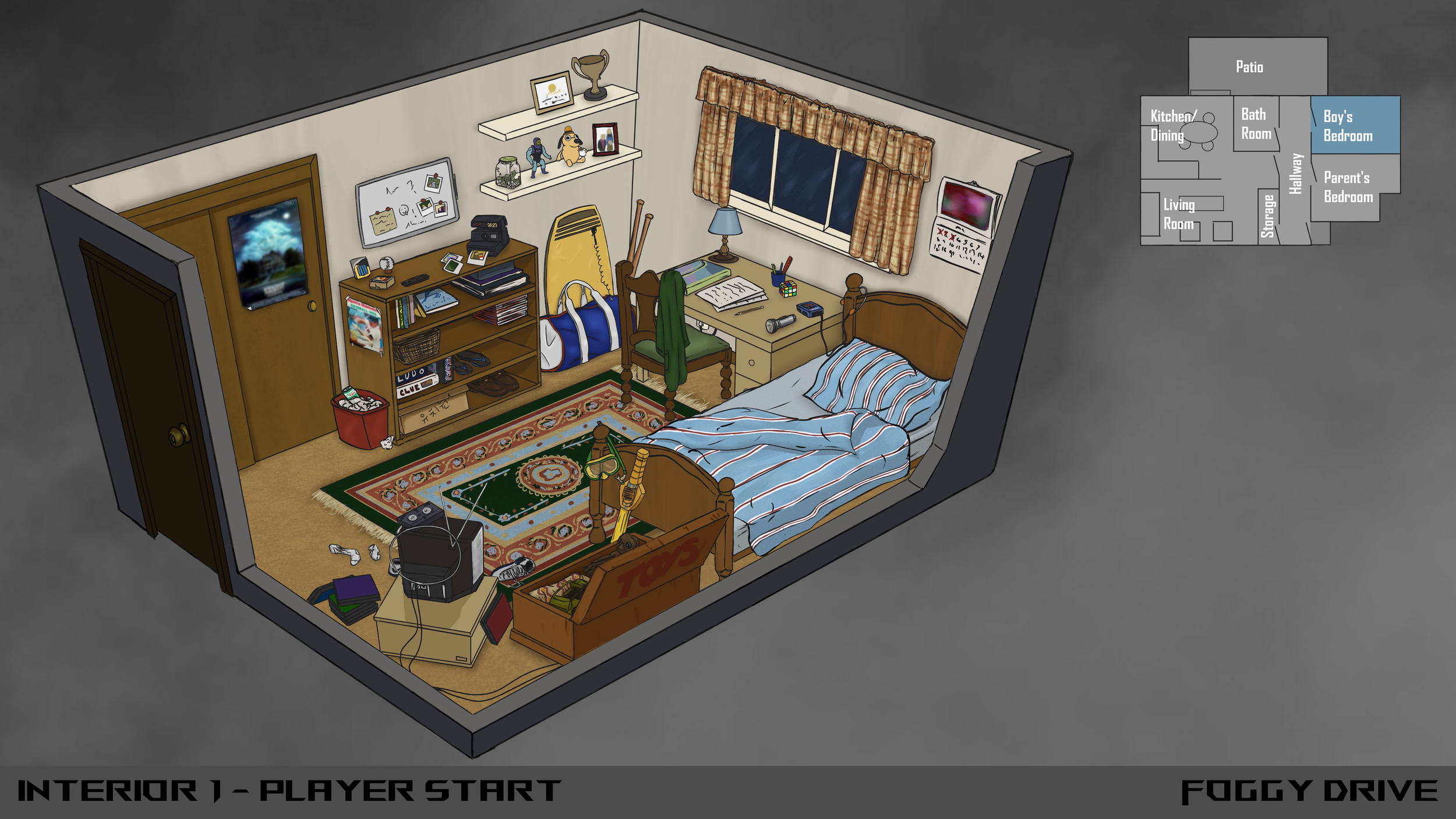
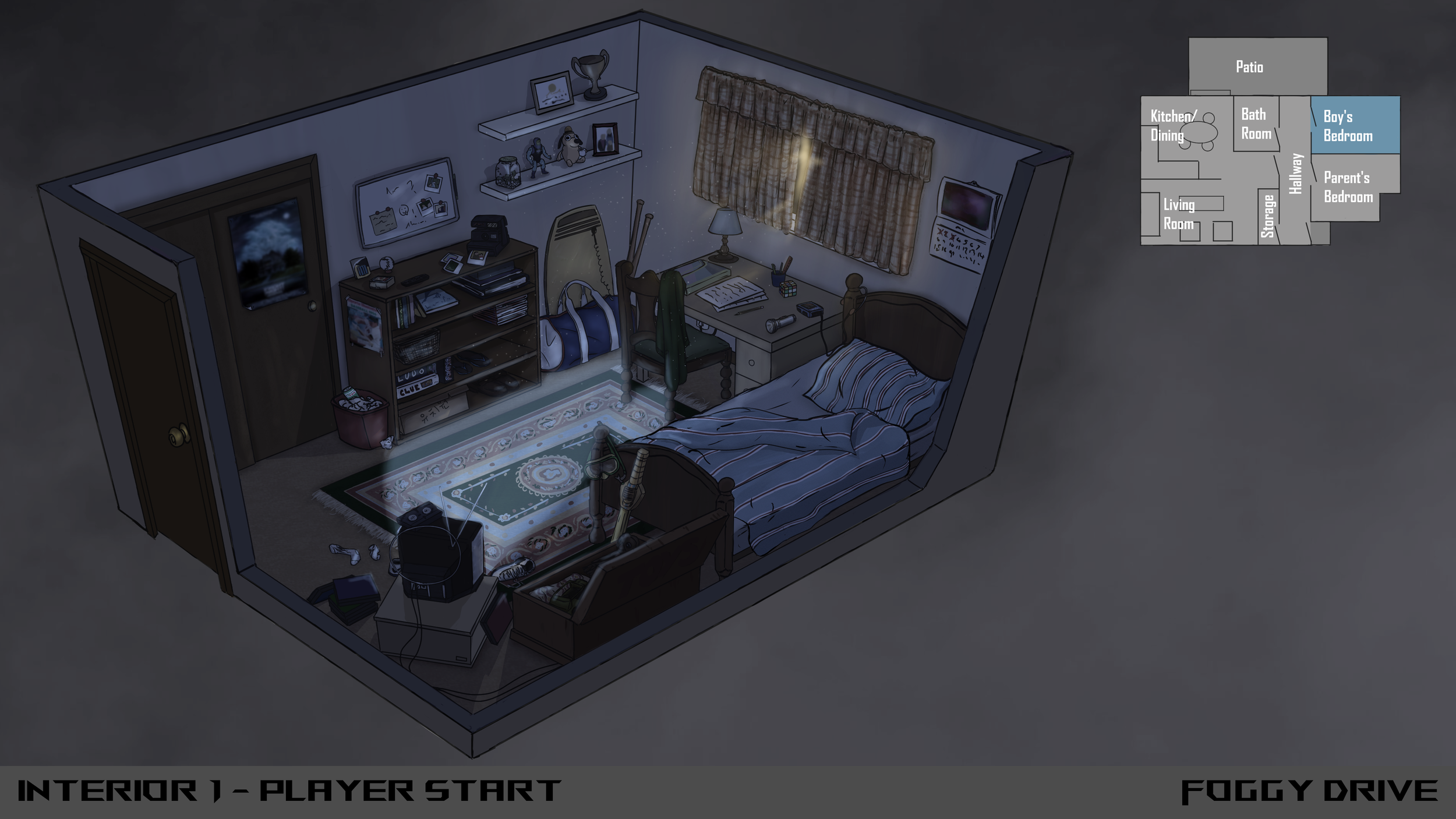
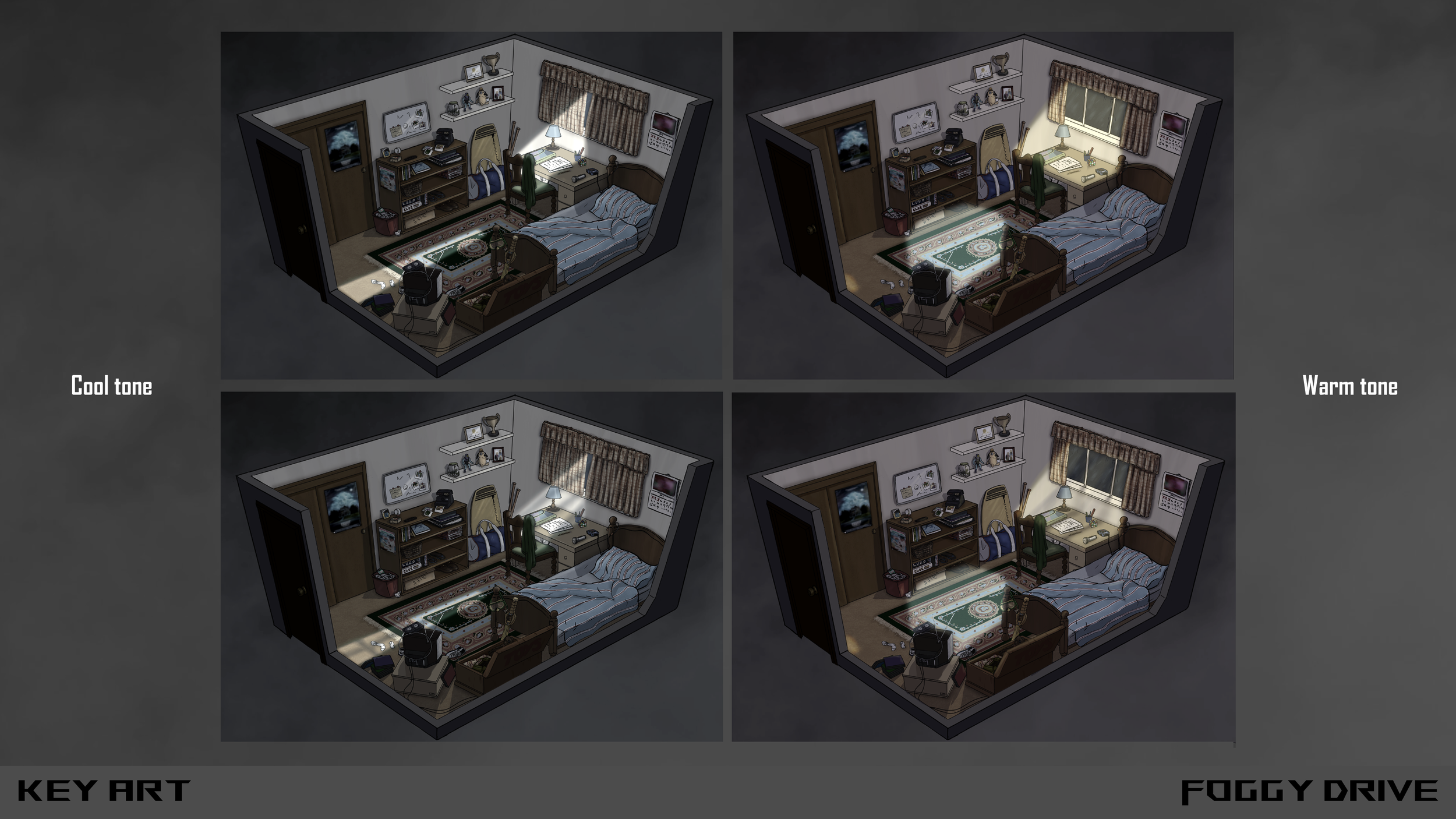
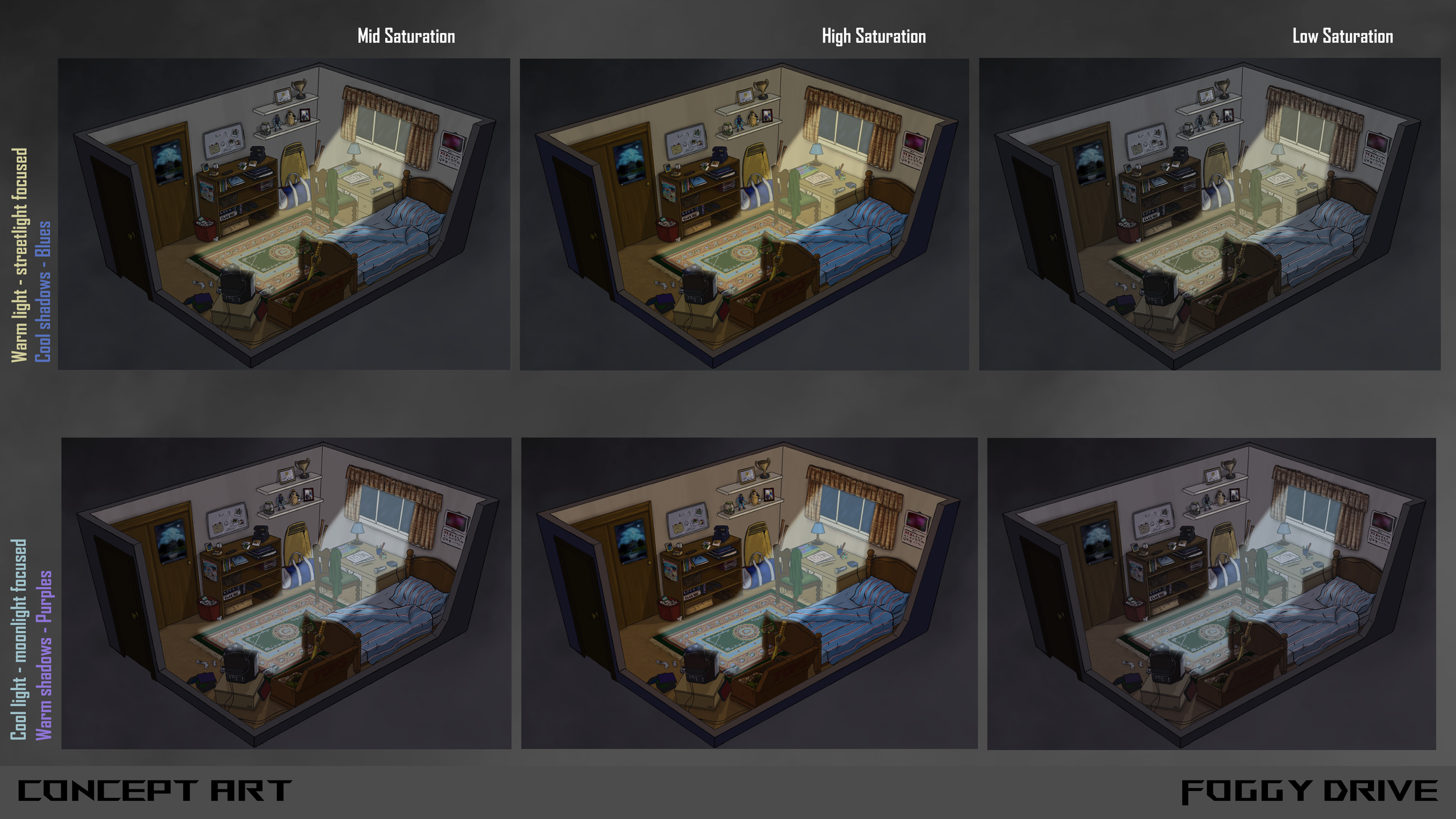
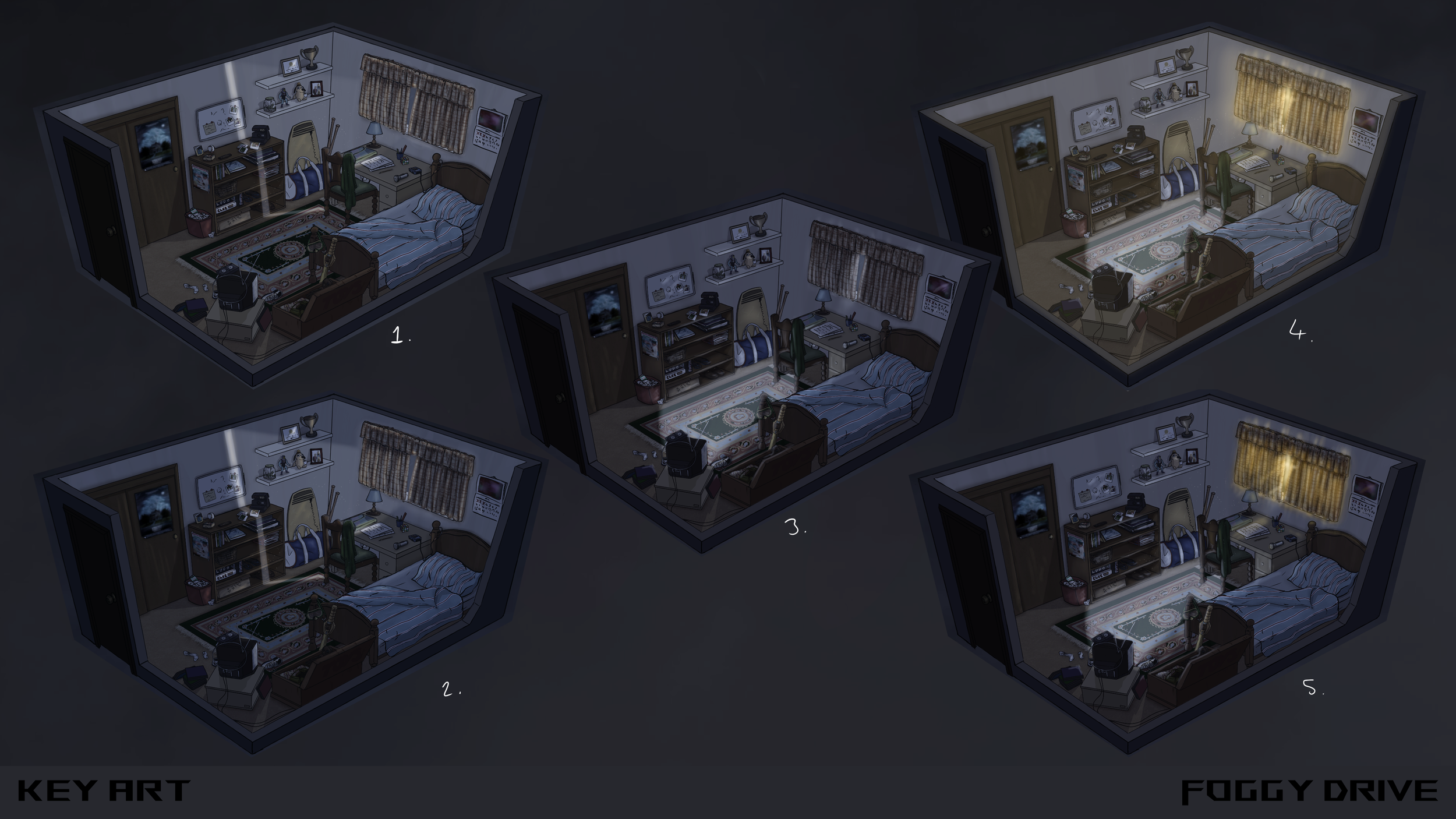
The Boy’s Room - Concept Art
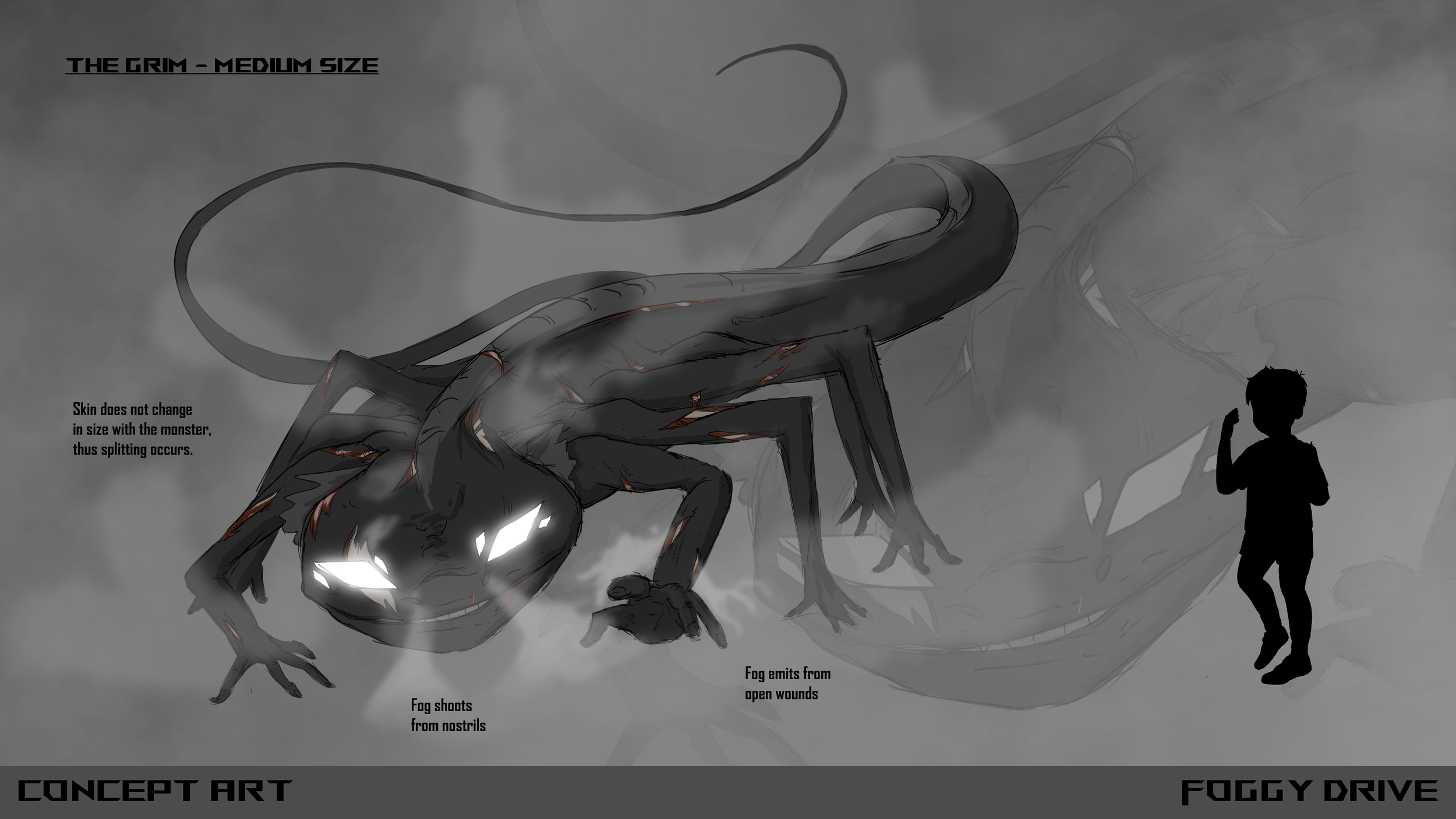
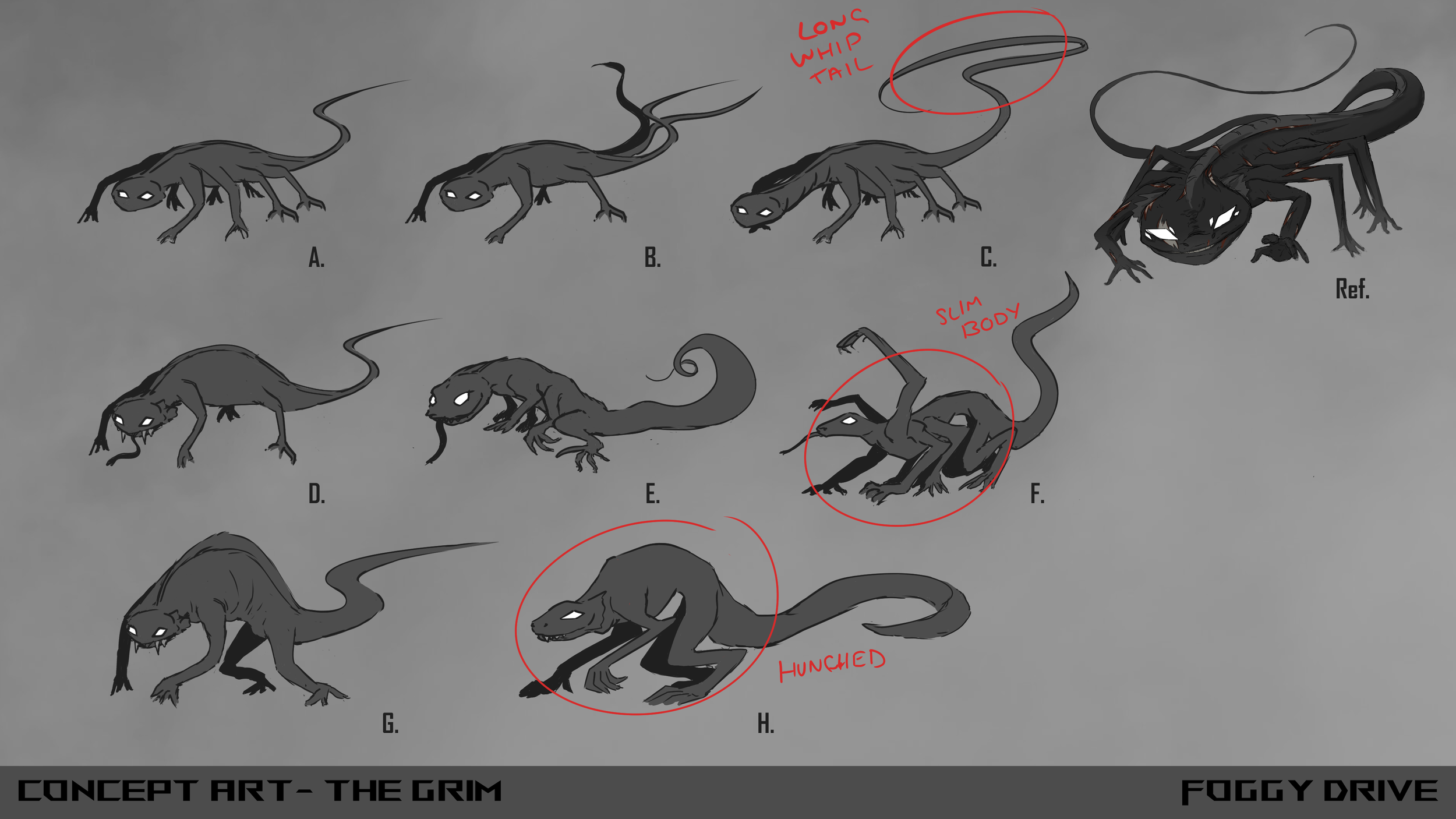
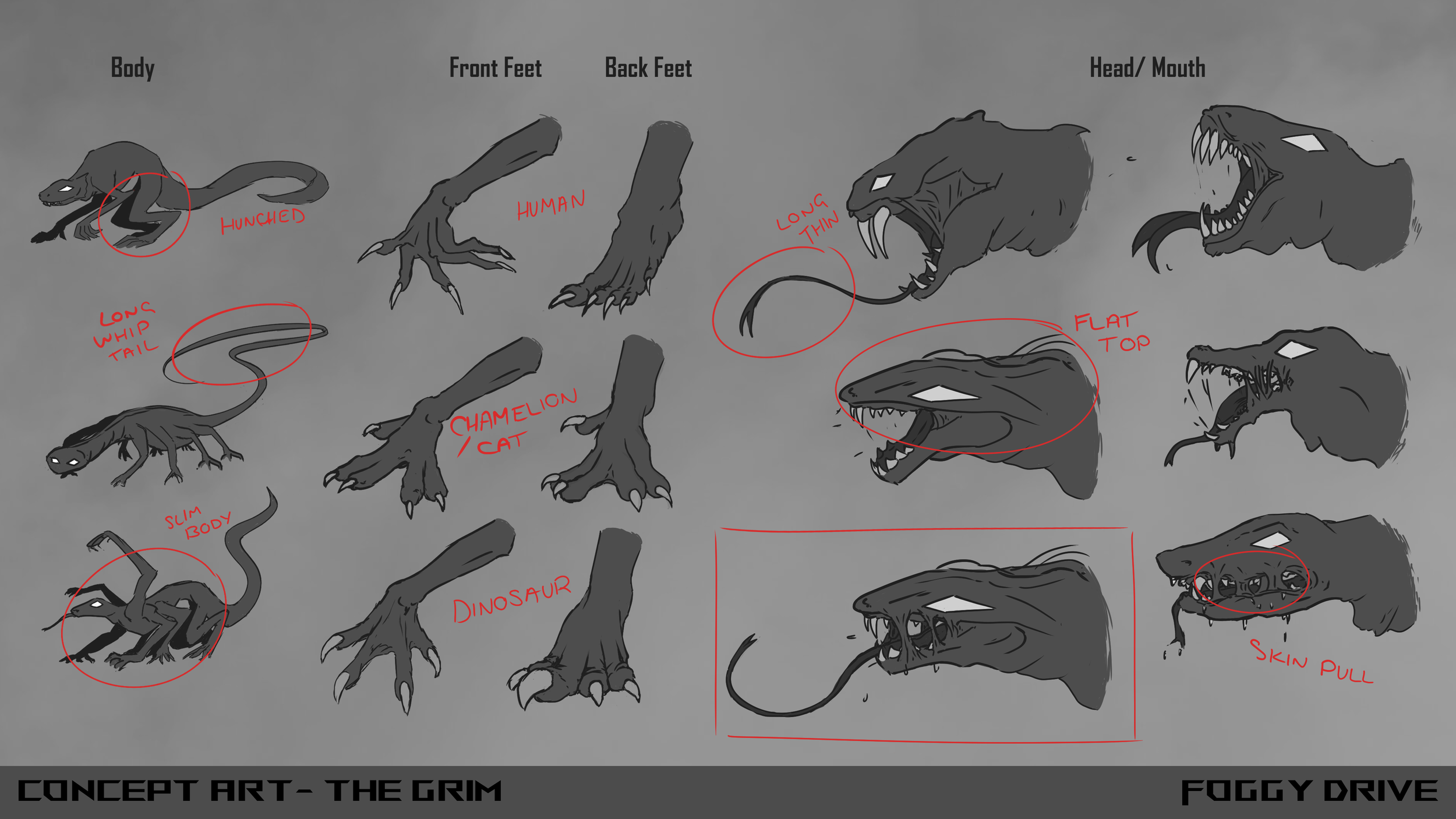
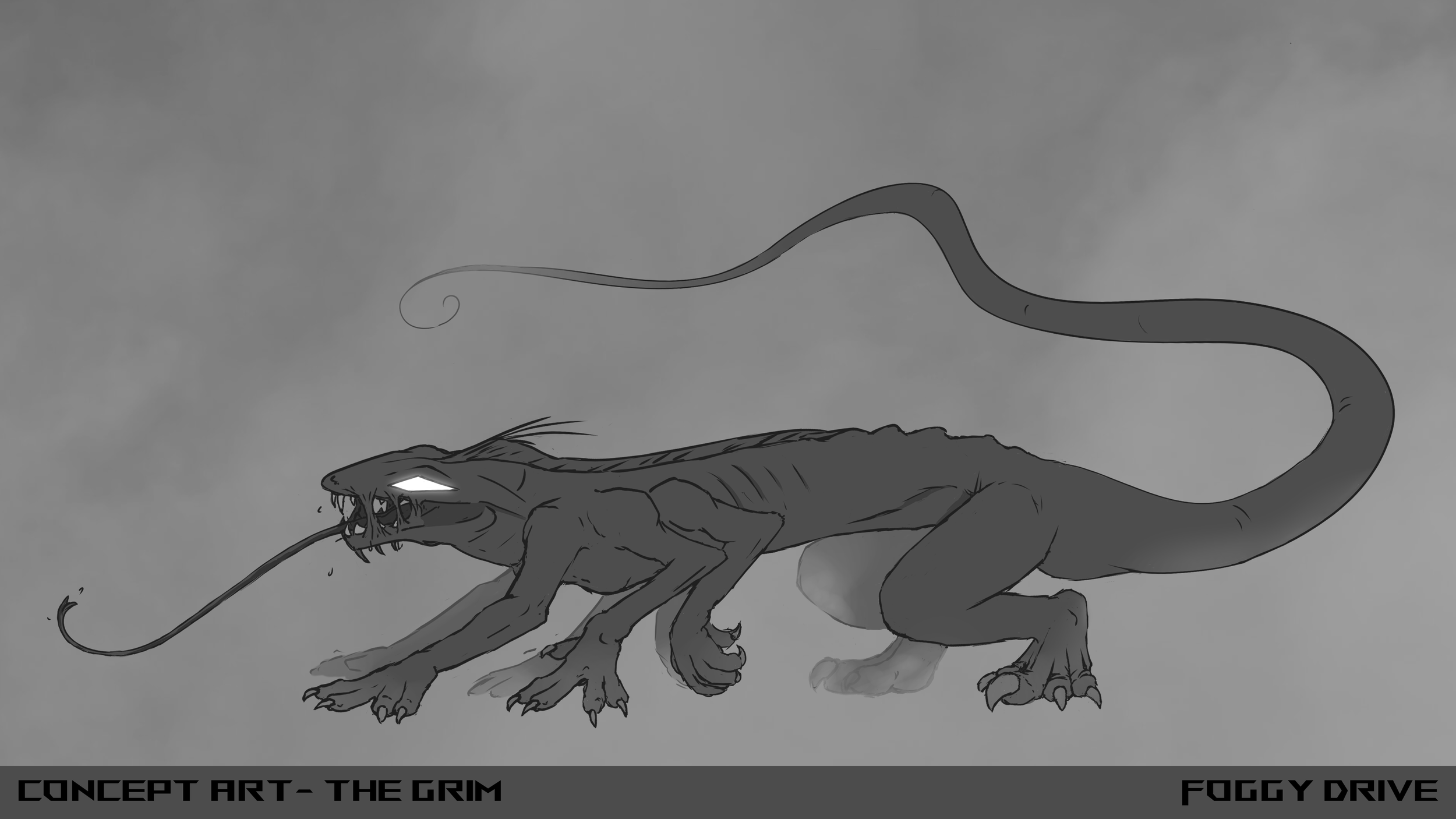
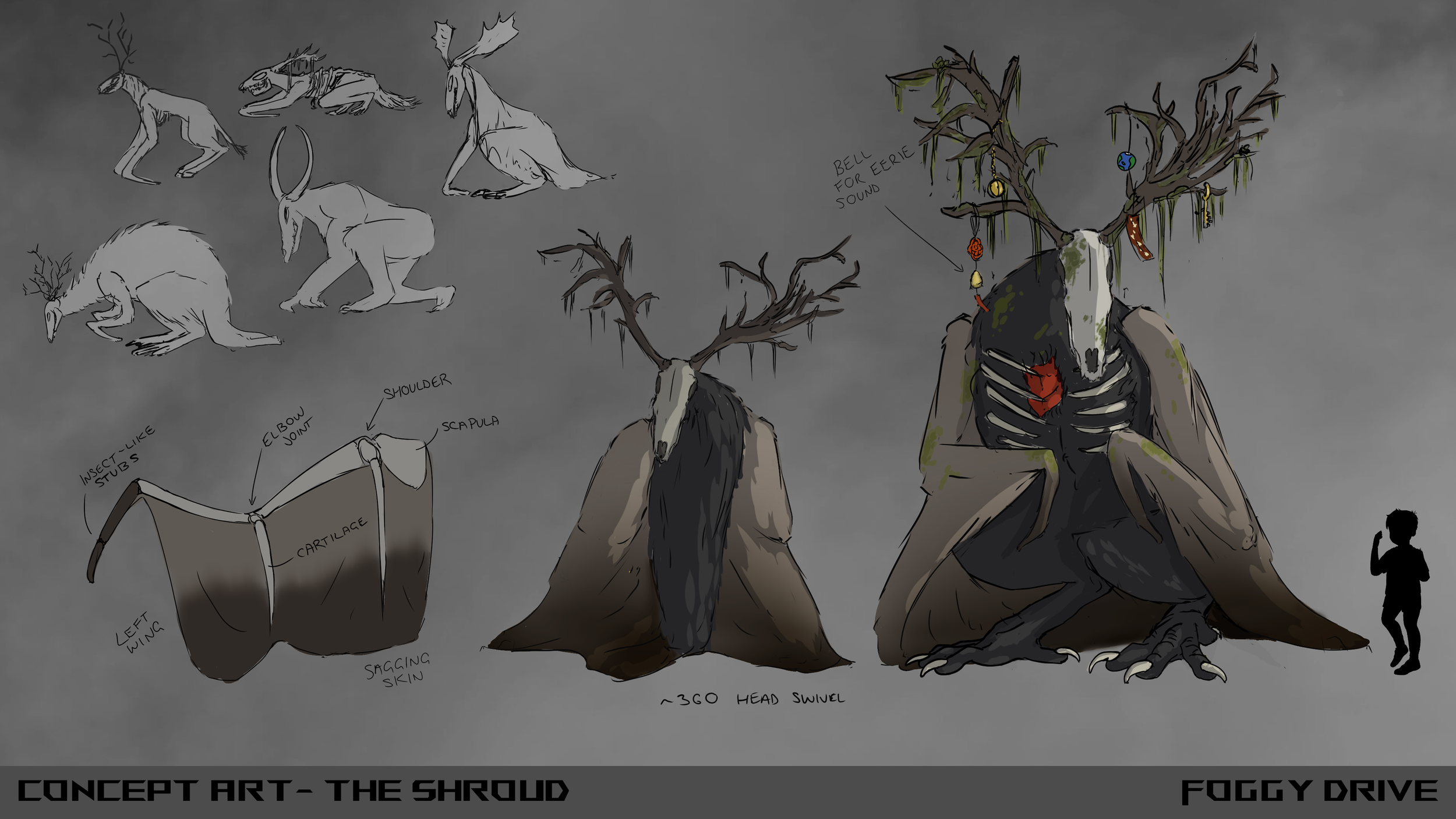
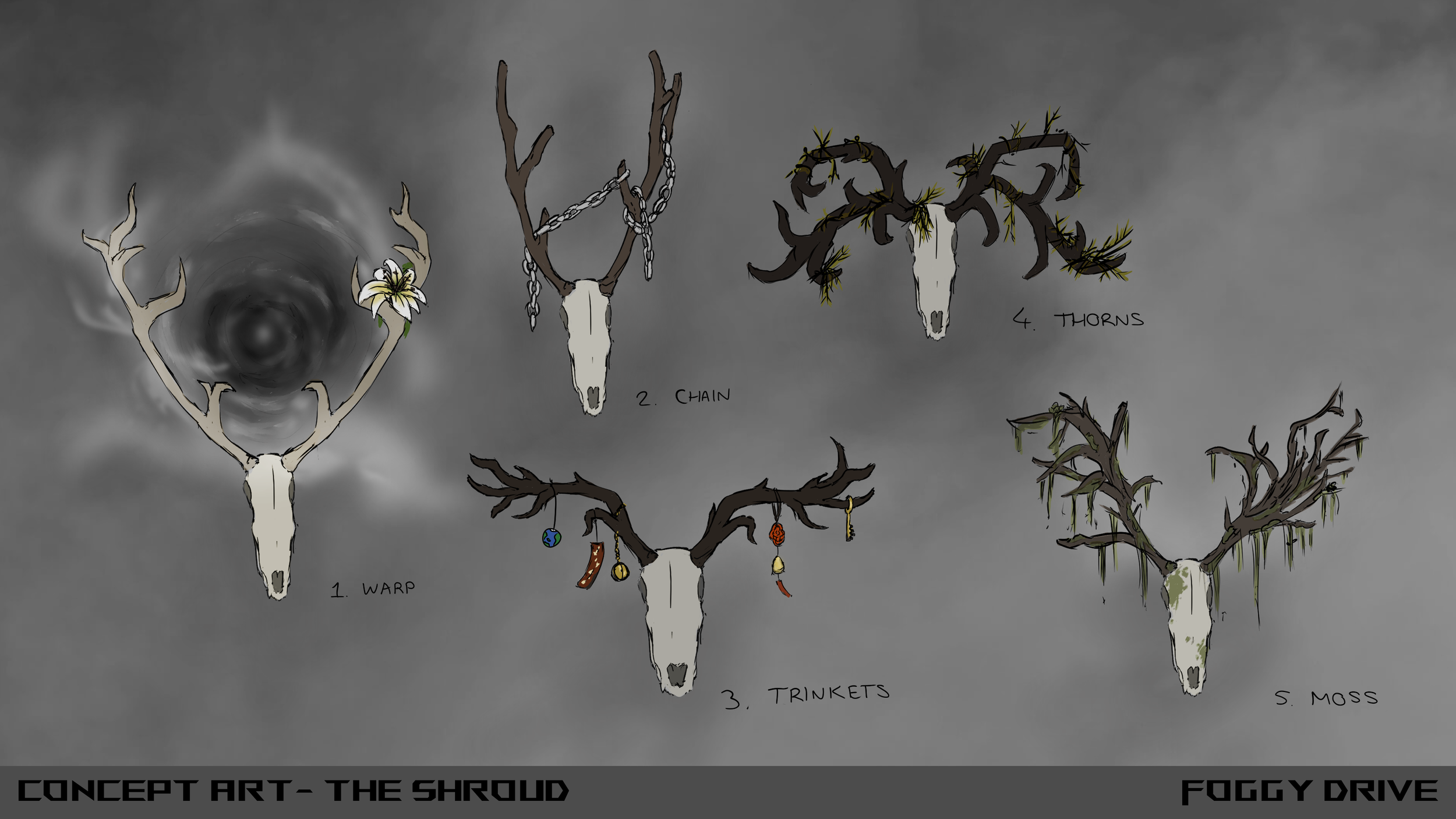
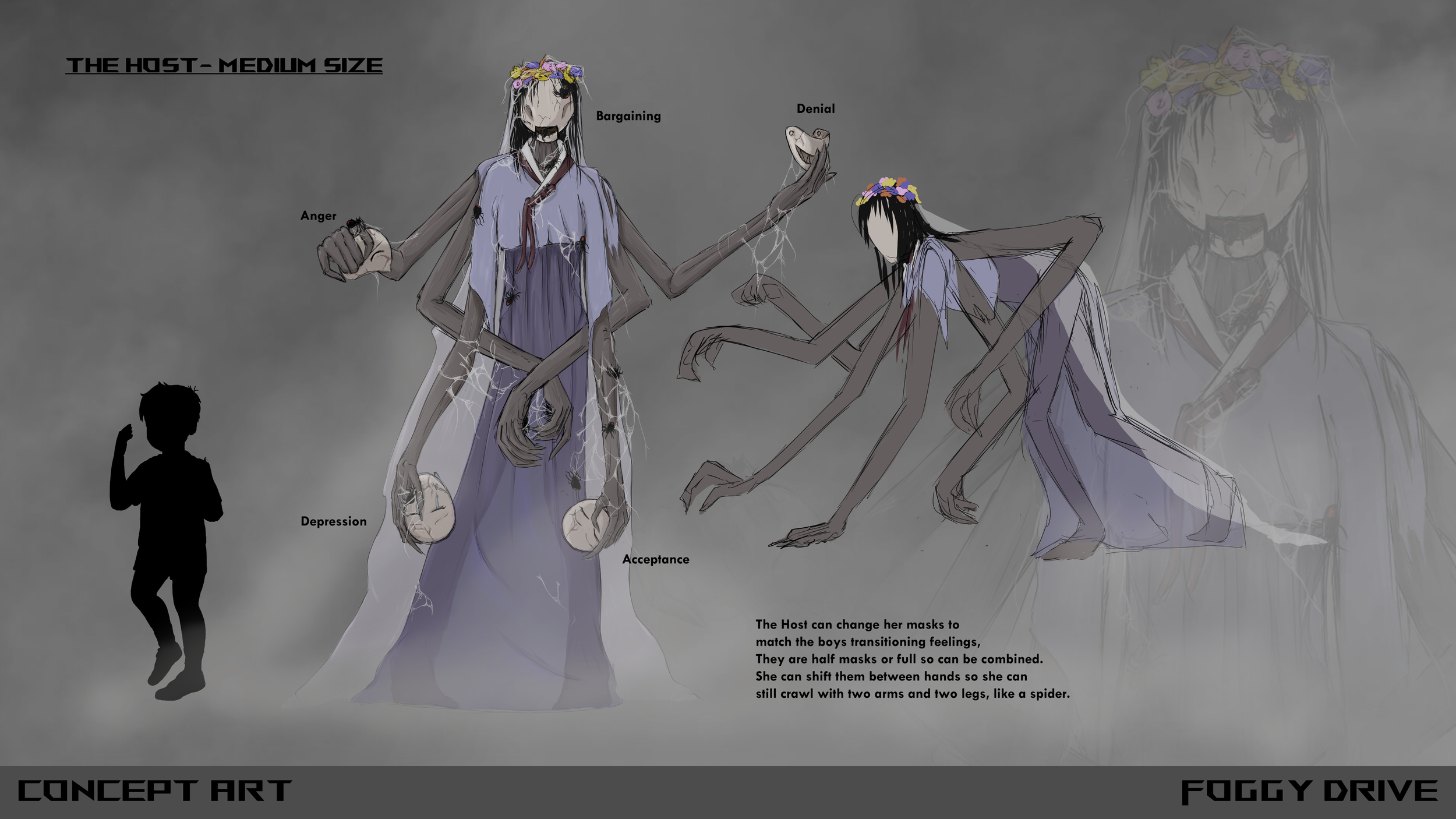
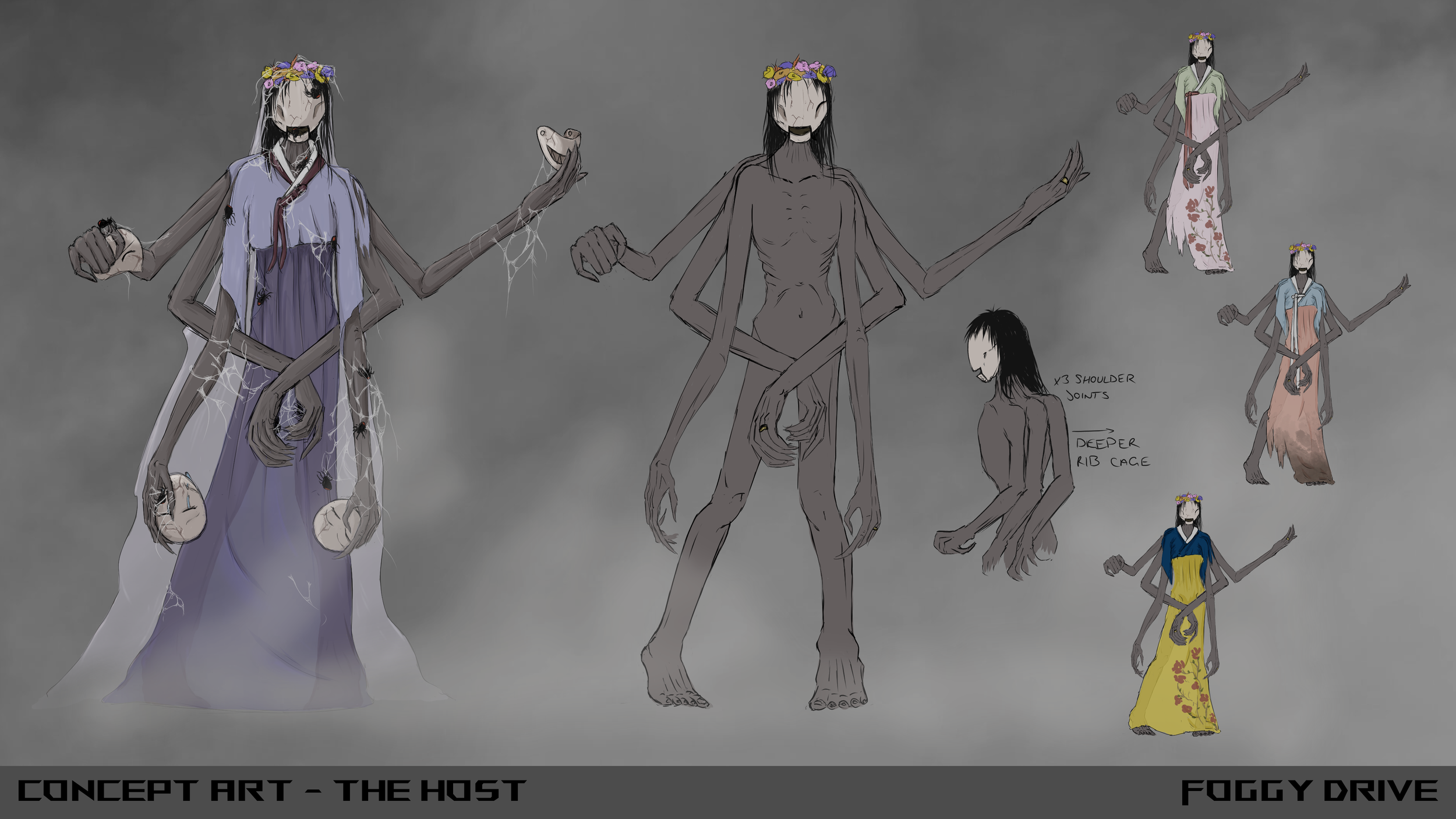
Chris Cross (Silent Hill: Ascension, Space Marines, Medal of Honor) approached me through a mutual contact to help shape a deeply personal game concept: a semi‑autobiographical story about a child processing the loss of his father. The core idea centred on grief personified as a monster stalking the boy through a nightmare world enshrouded in fog.
Roles: Creative Assistant, Narrative Writer, Concept Artist, 3D Artist
Game Type: 3D Horror Narrative/Driving, Semi-Autobiographical
Team Type: Paid, Indie, team of 2
Setting: California, 1987, Korean-American background.
In partnership with Indie Omakase and Princess Hermit LLC.
Deliverables:
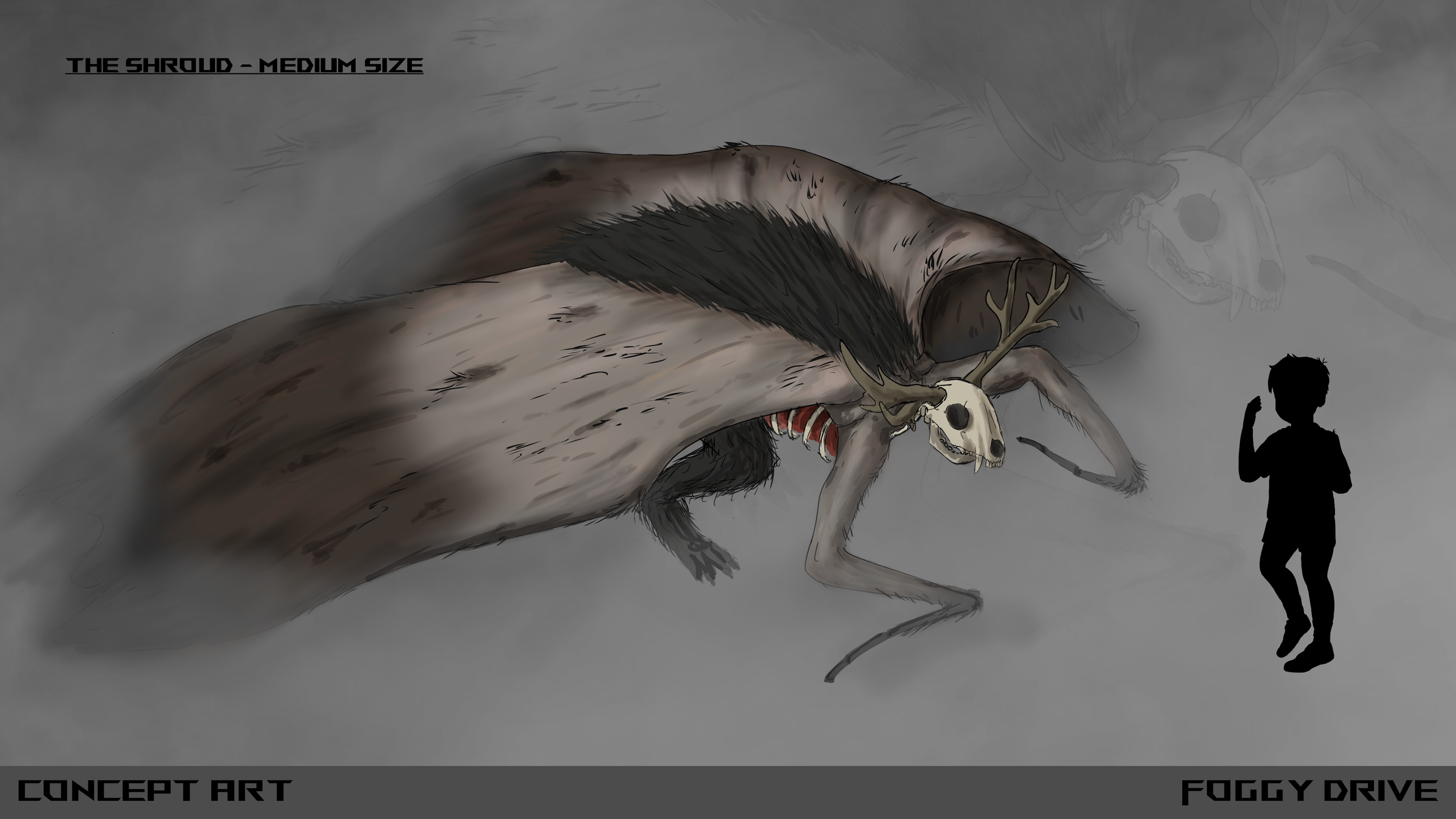
Monster designs reflecting shifting emotional states
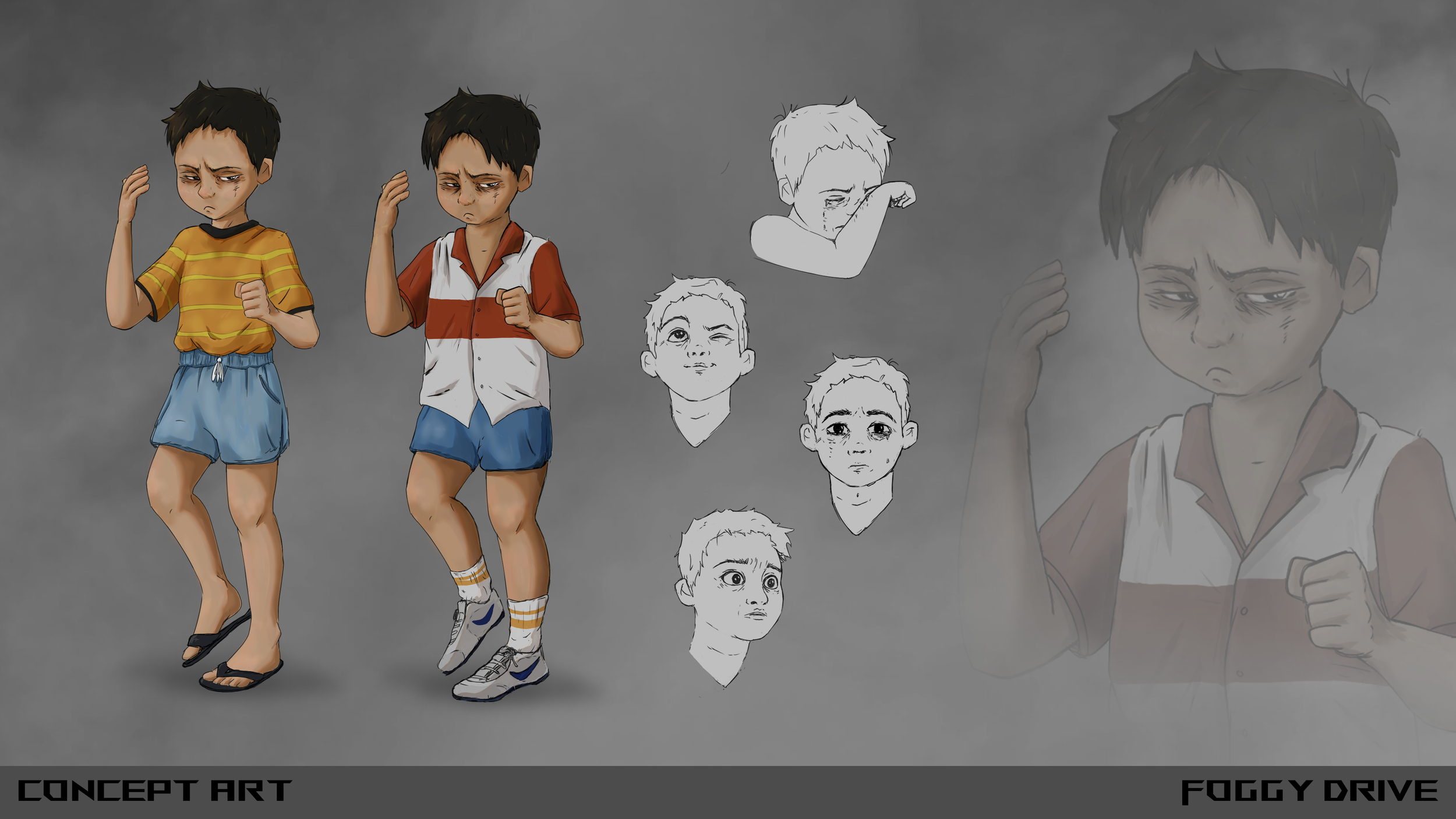
Character designs for the boy
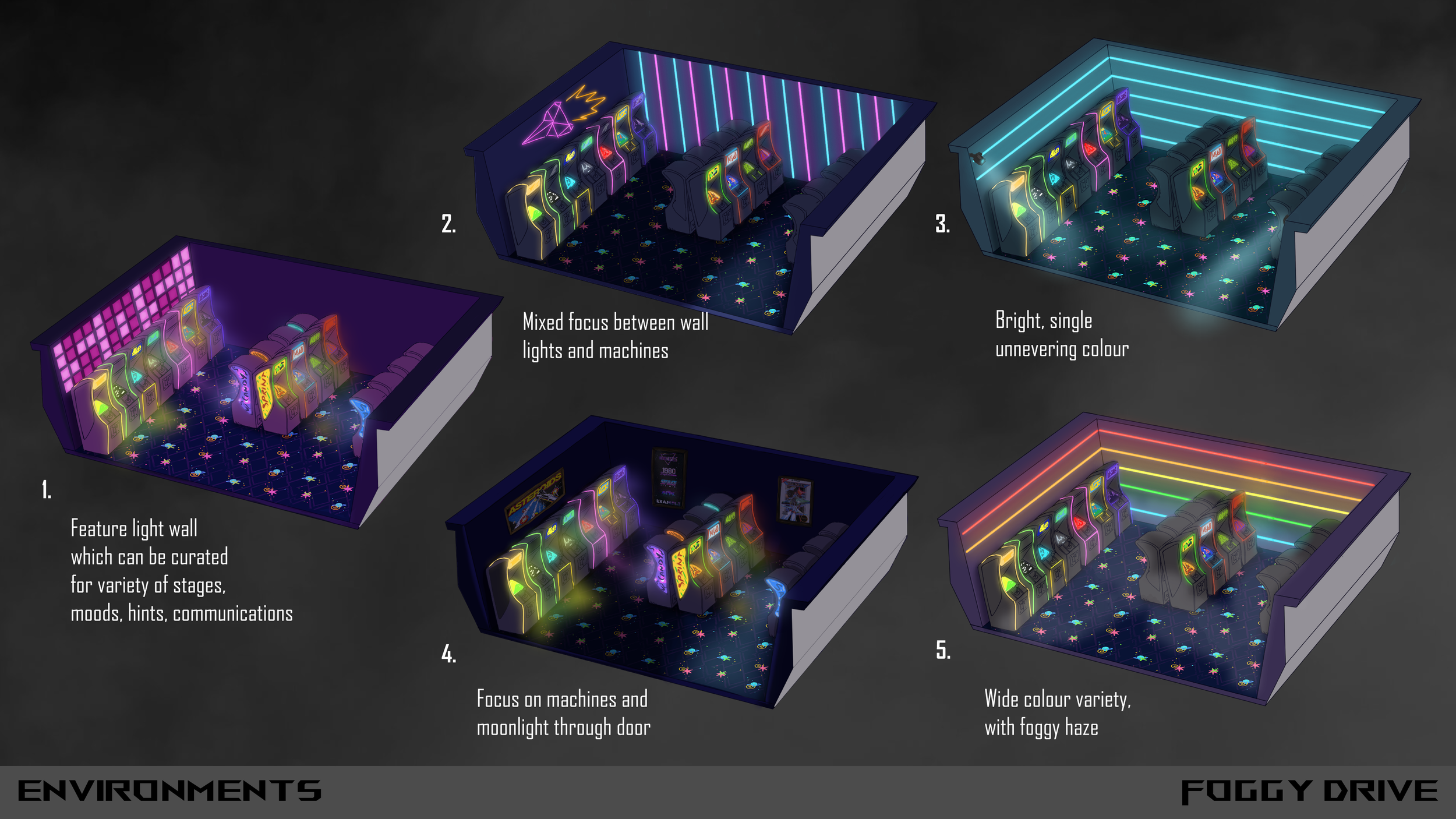
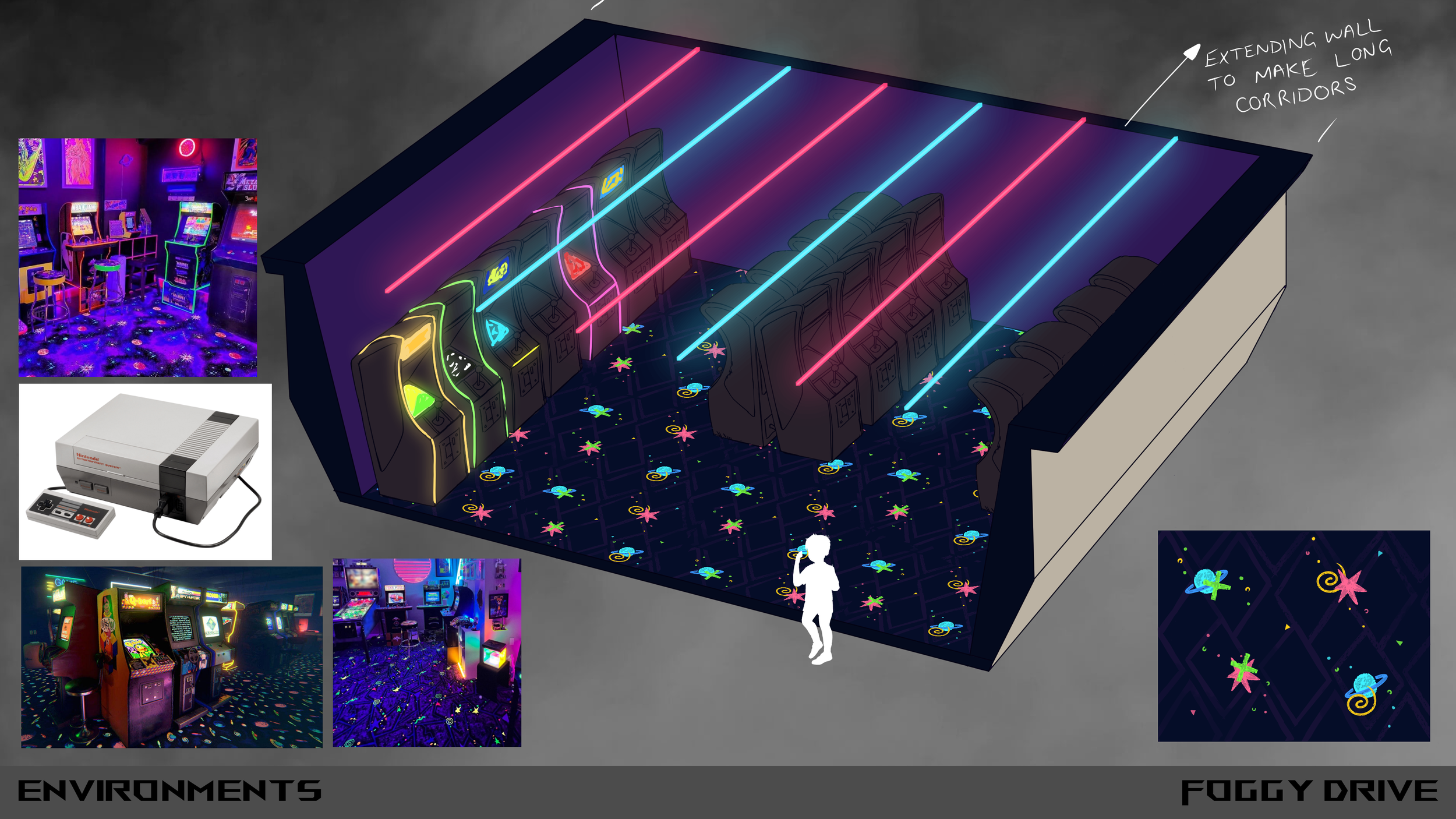
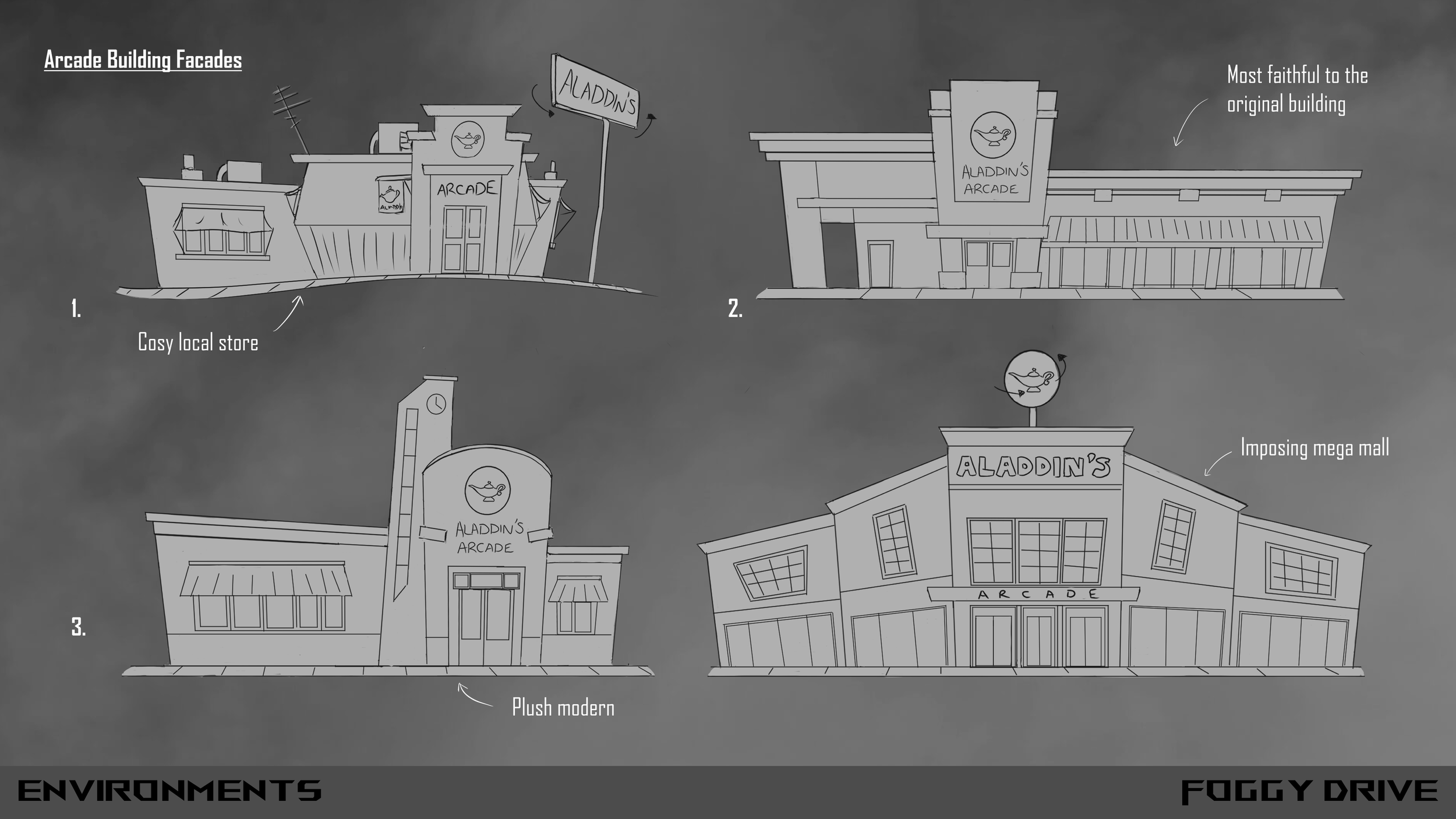
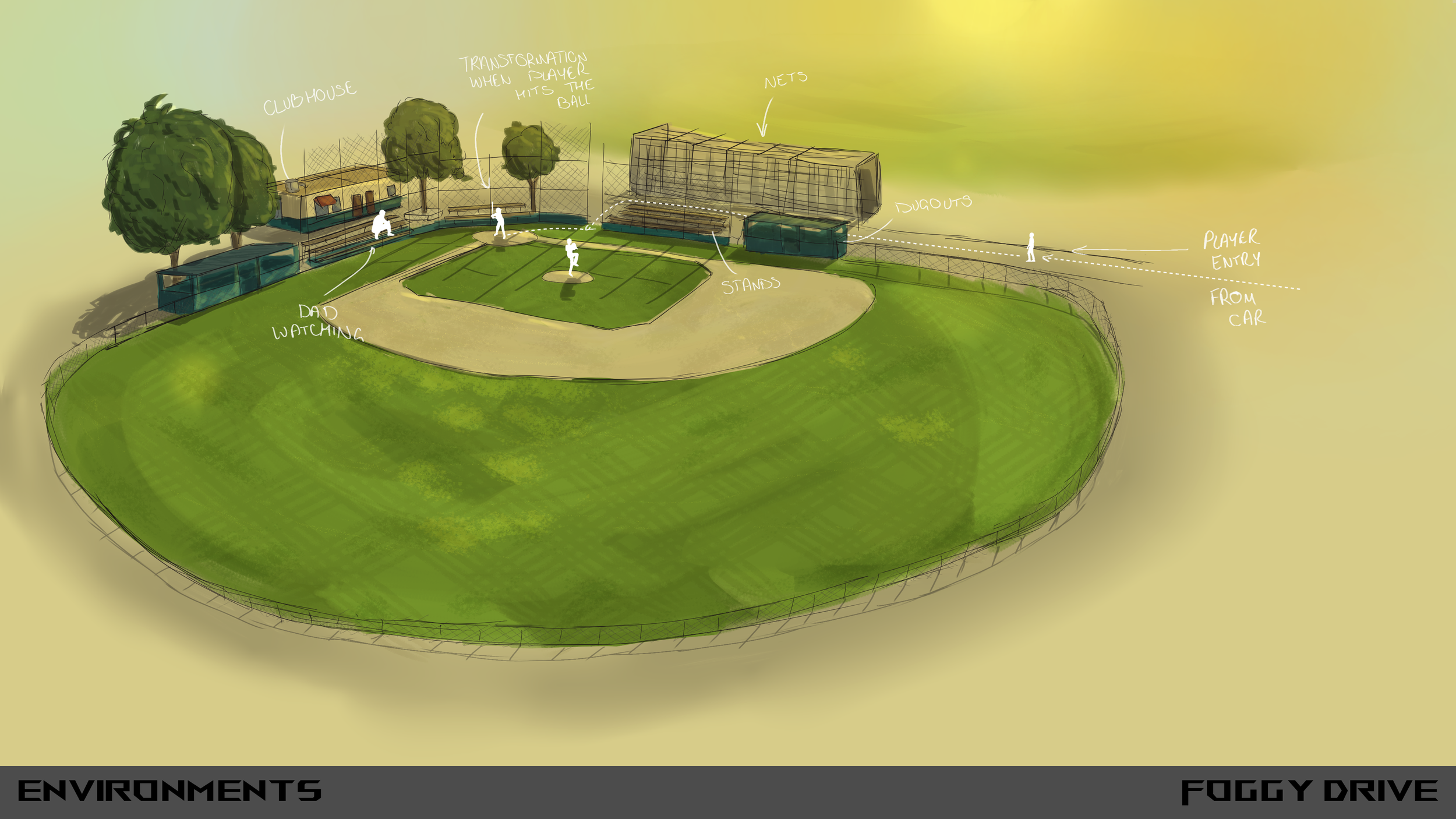
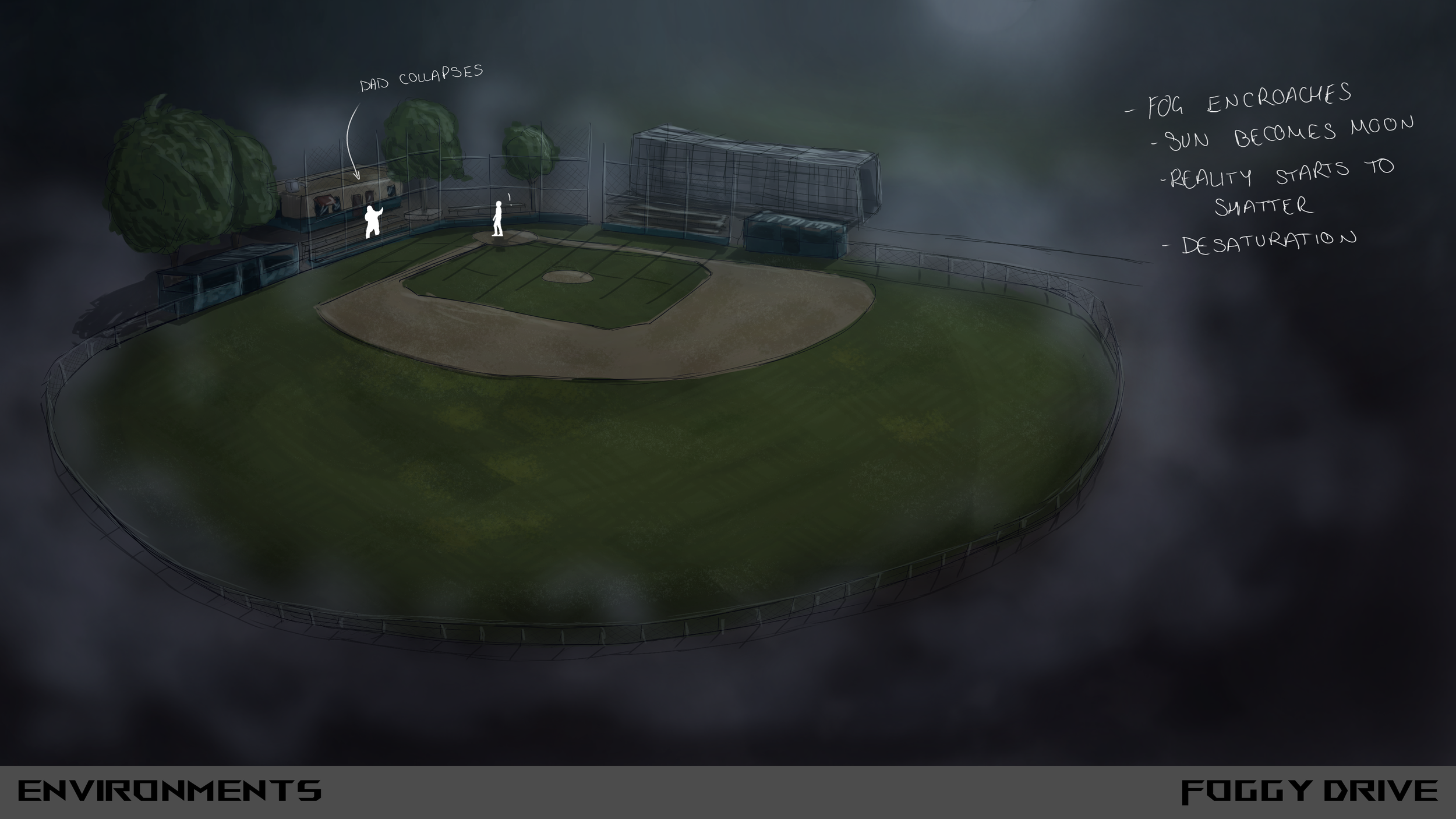
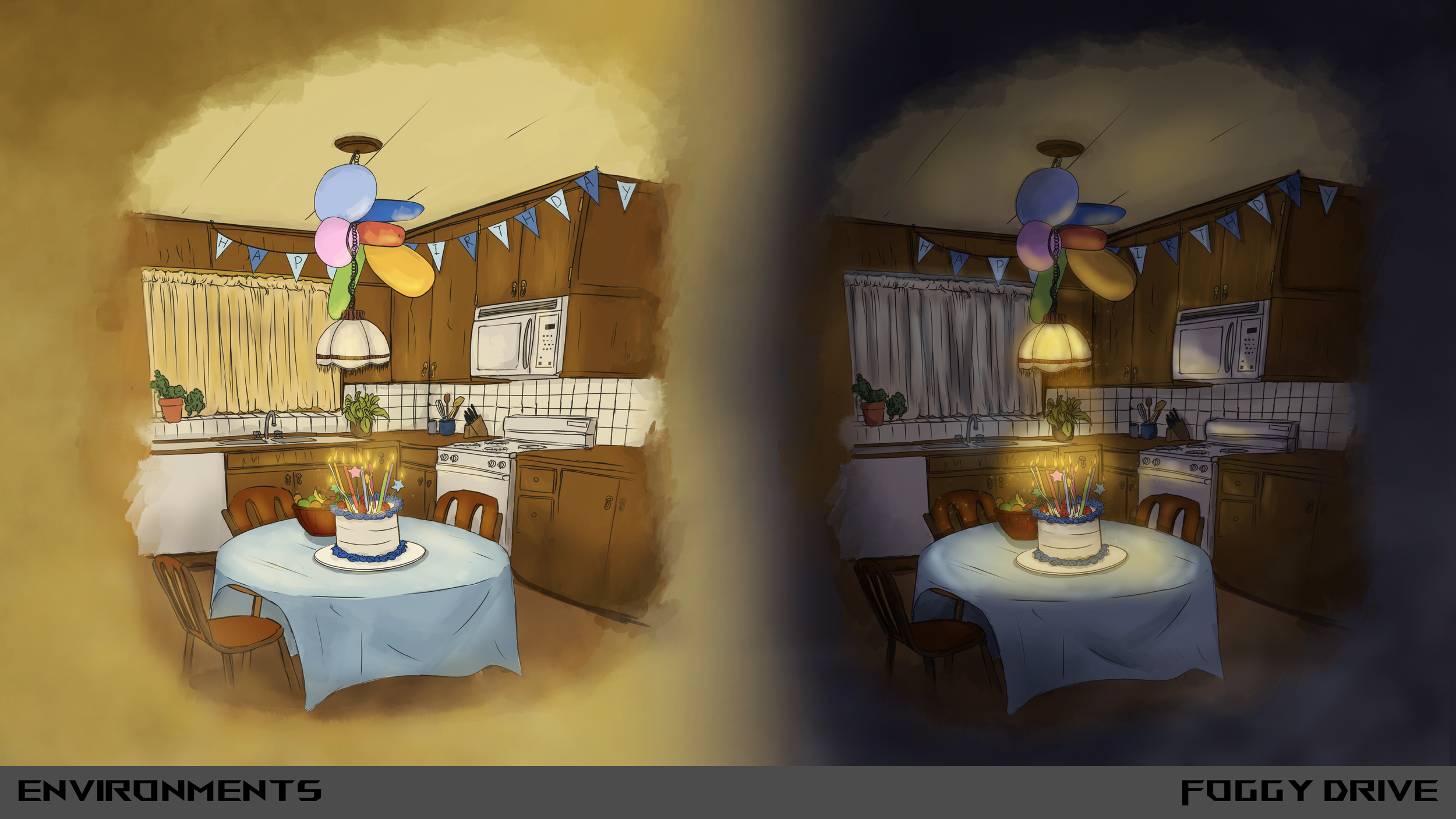
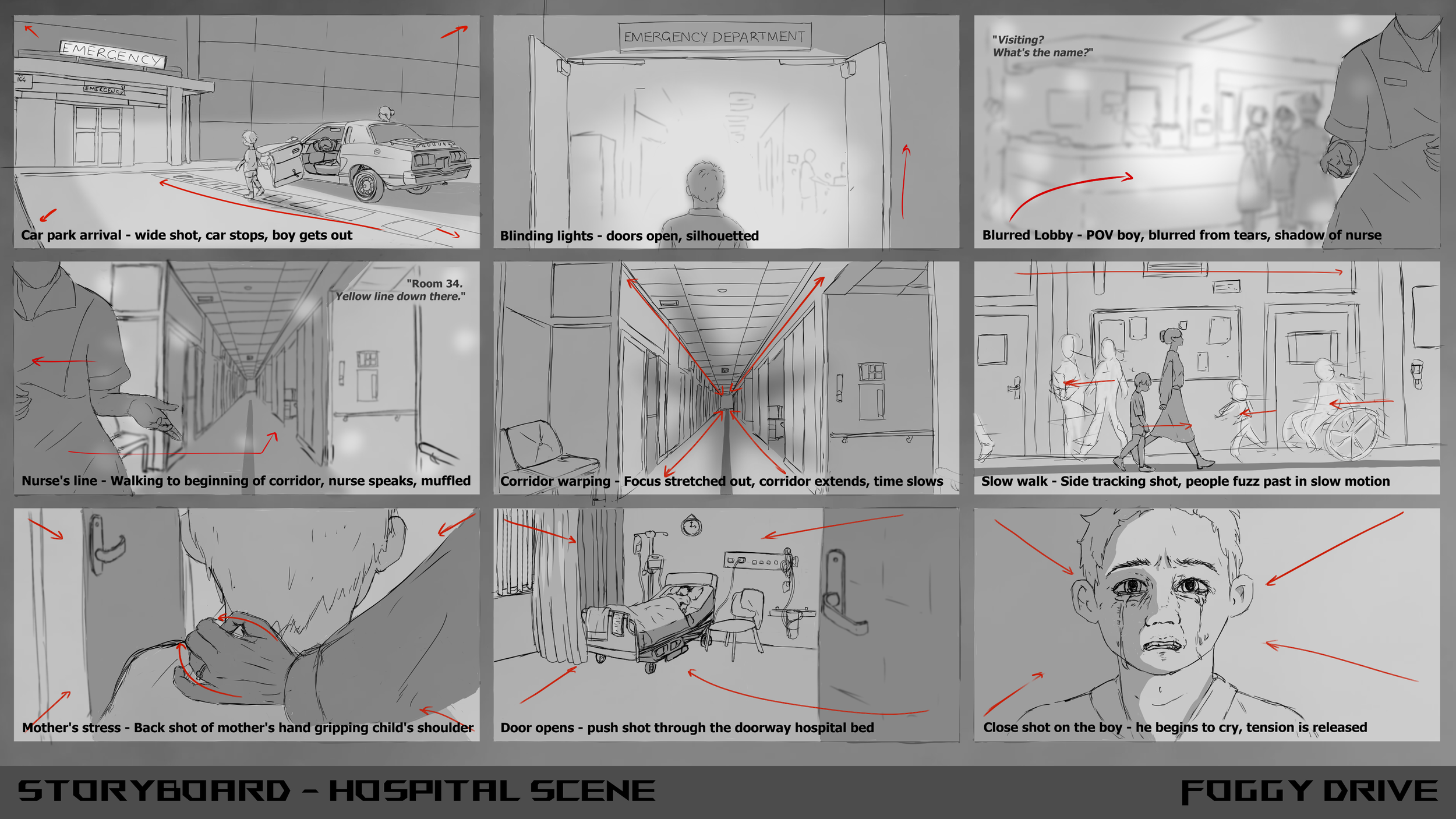
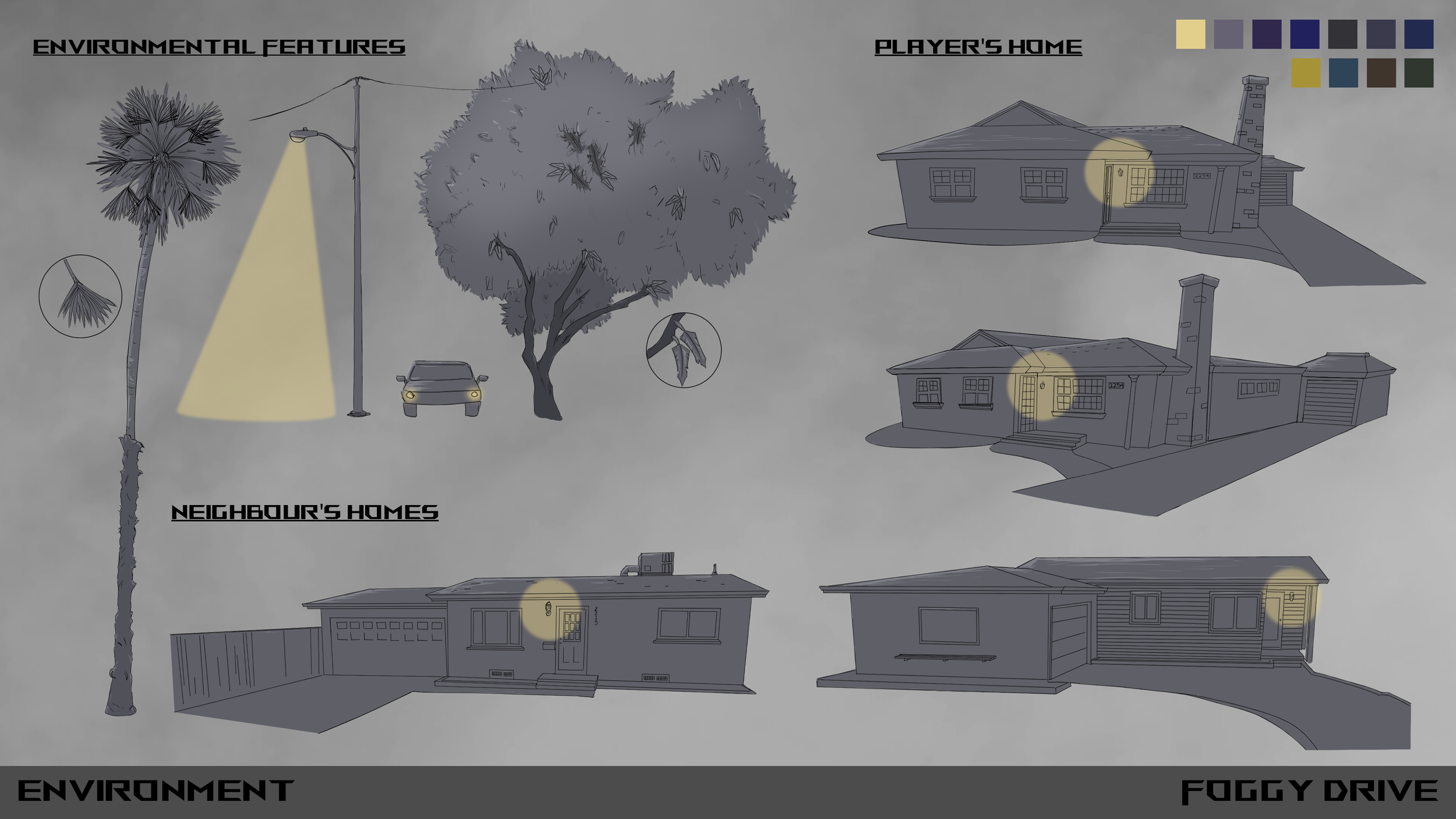
Storyboards and environment designs for key vignettes
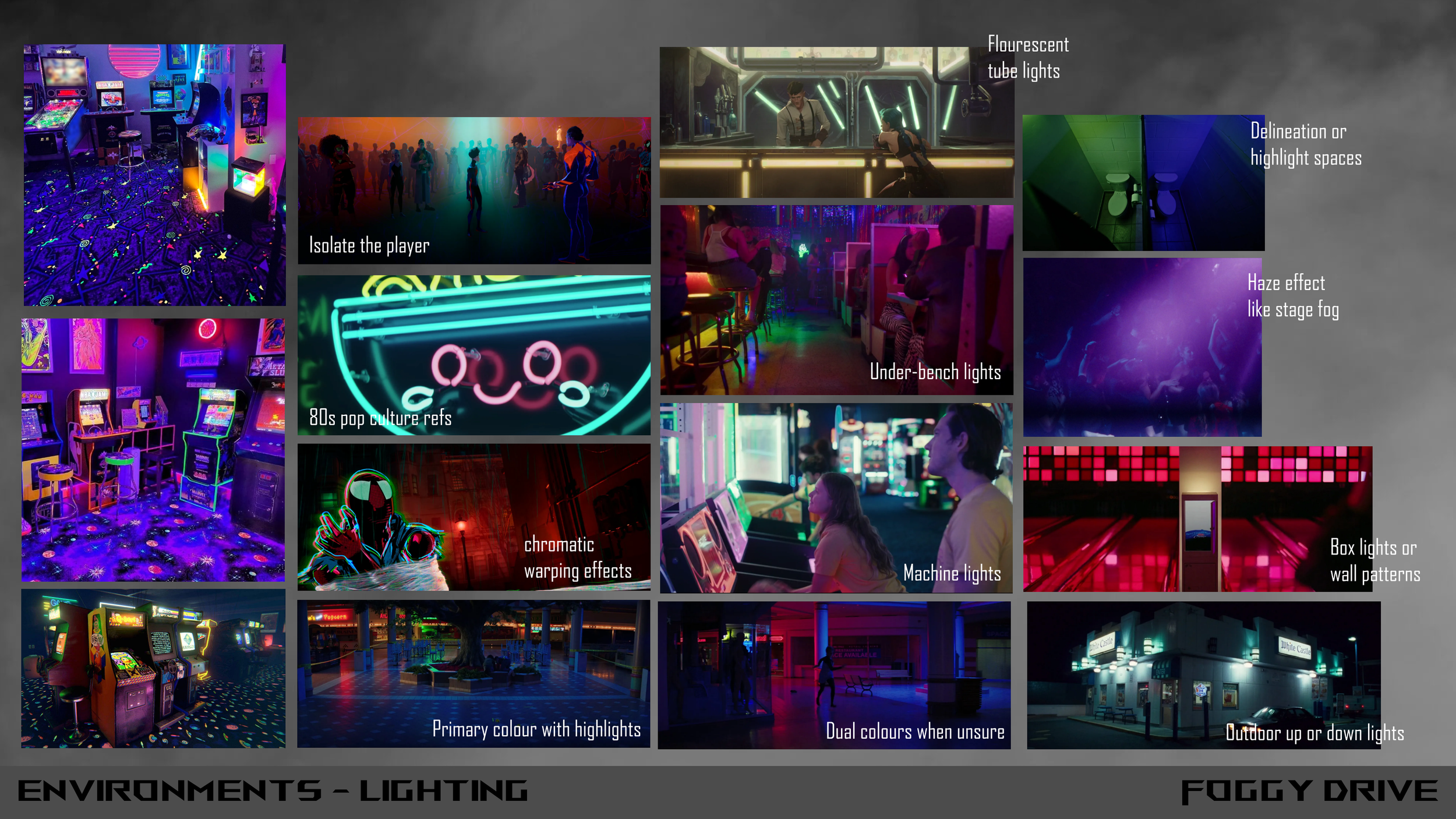
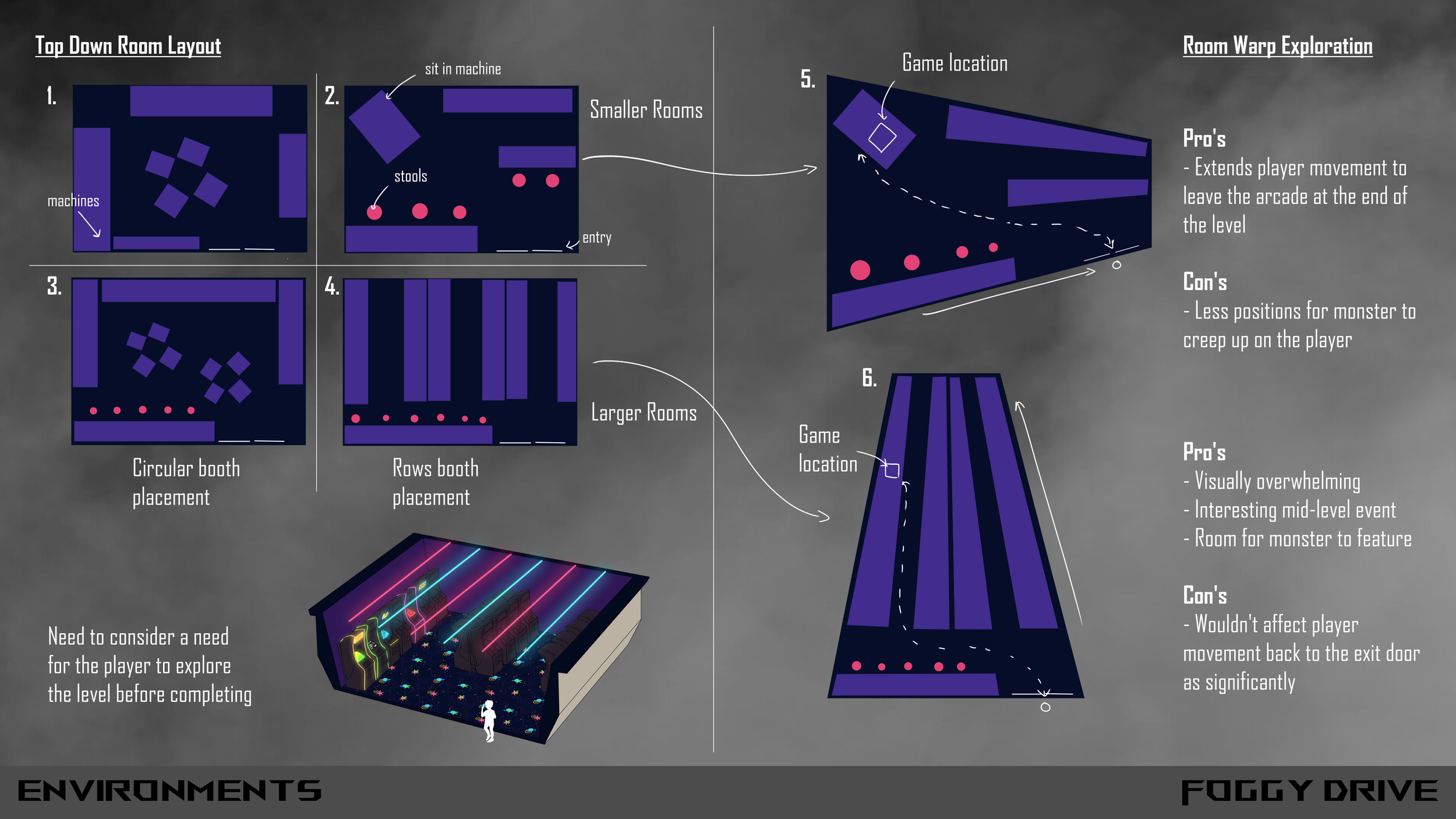
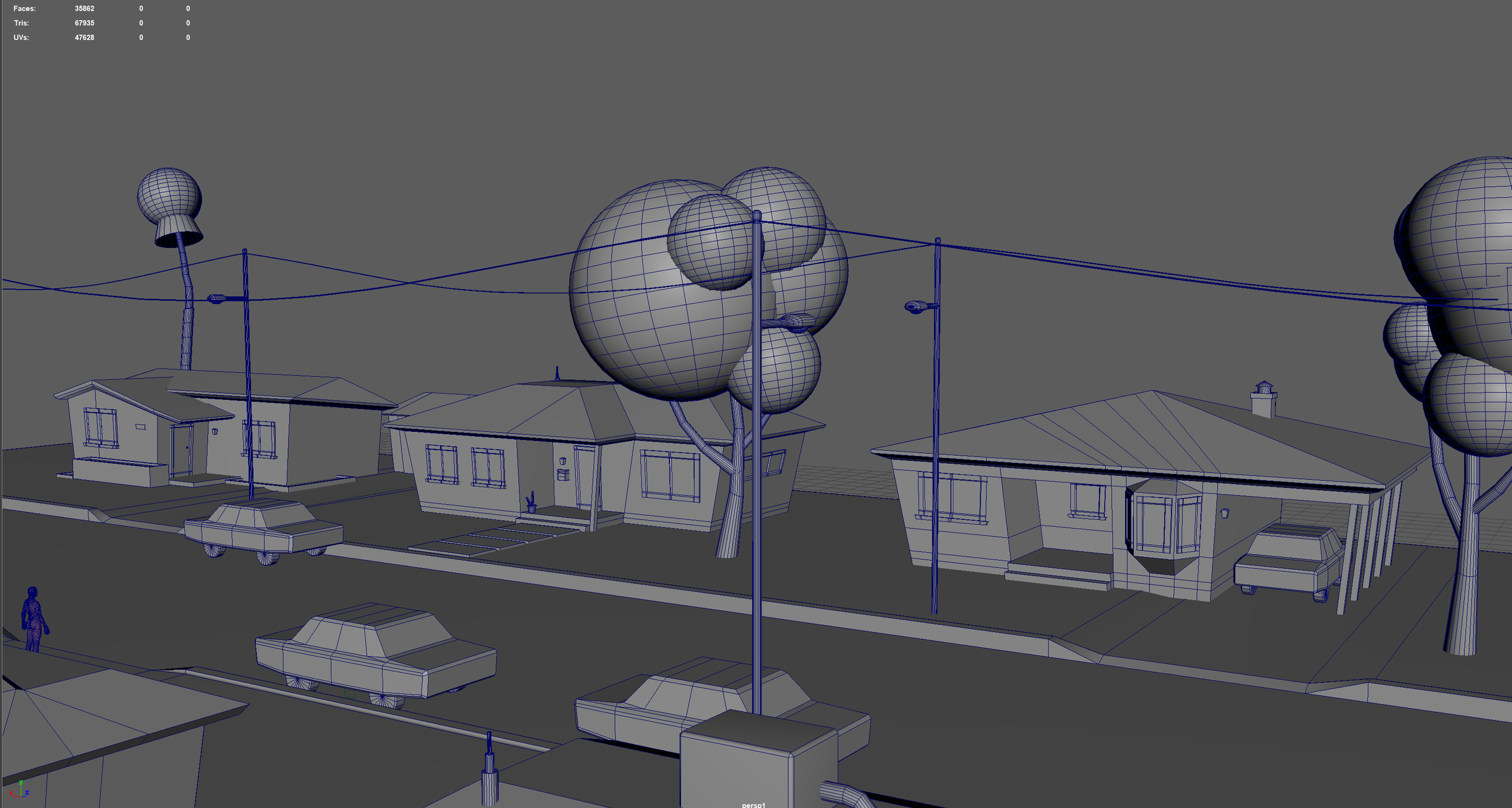
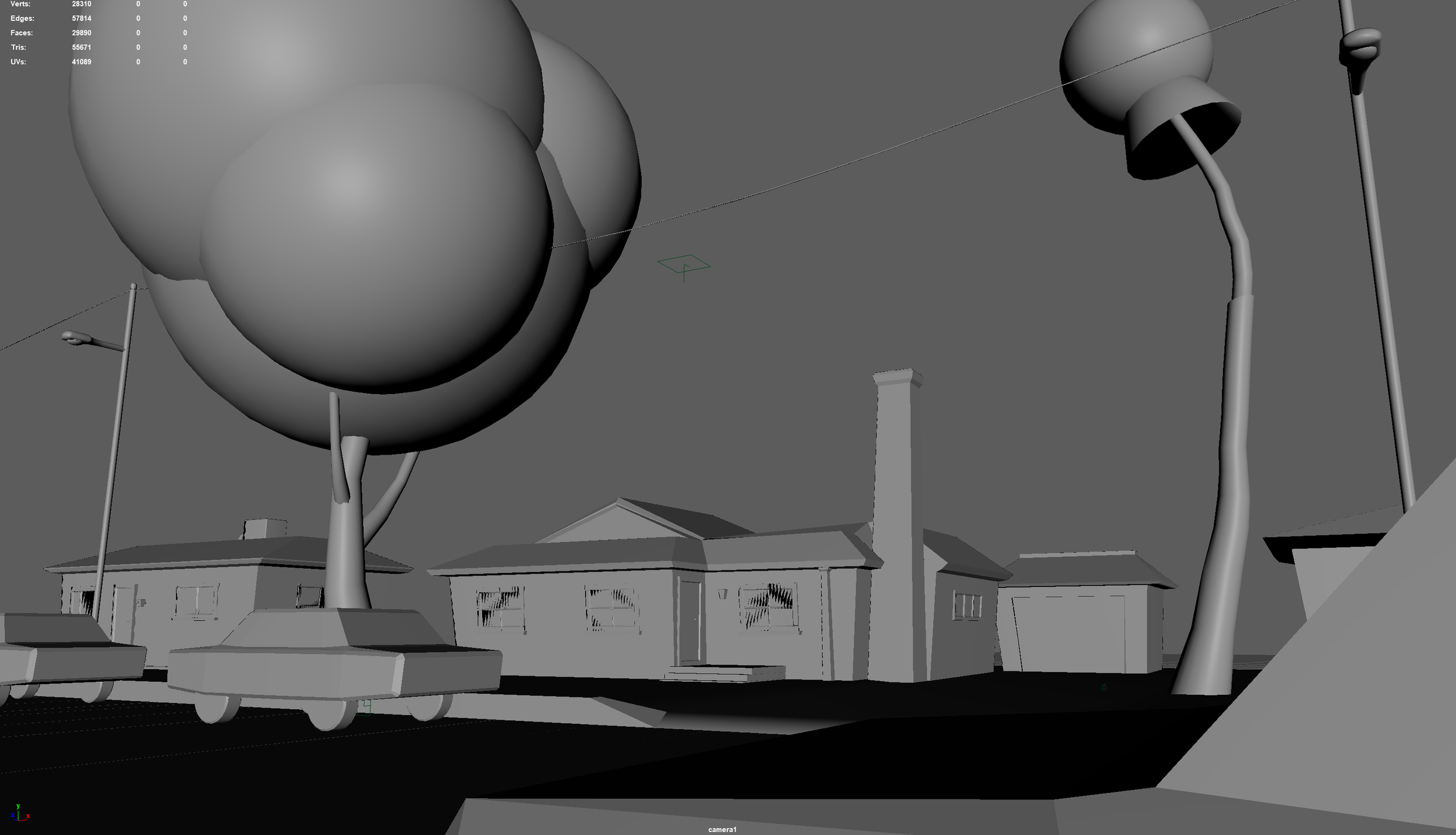
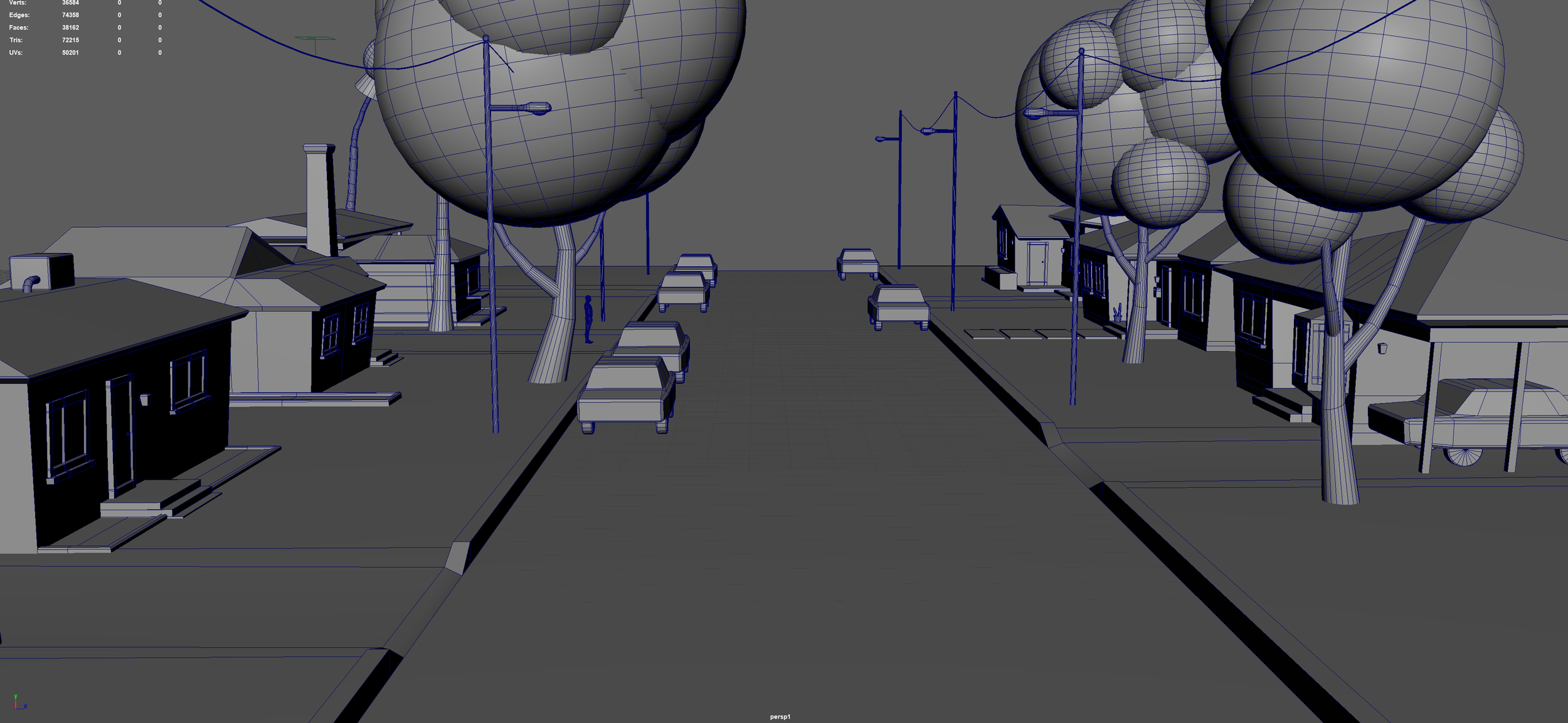
Environmental design block outs, interior perspectives.
Evolving the Narrative - Grief as a Companion
At the beginning of the project I was asked to analyse the narrative and propose ways to make the emotional arc accessible to a younger audience.
My key contribution was reframing the “grief monster” not only as a threat, but as a companion the child eventually learns to coordinate with — a metaphor for how grief becomes a lifelong presence we learn to live alongside. This shifted the game’s focus from control to connection: with others, with ourselves and with our emotions.
The visual language which evolved out of the narrative emphasised both vulnerability and resilience, grounding the fantastical horror in real emotional truth and gives an element of hope with makes it more terrifying in its juxtaposition.
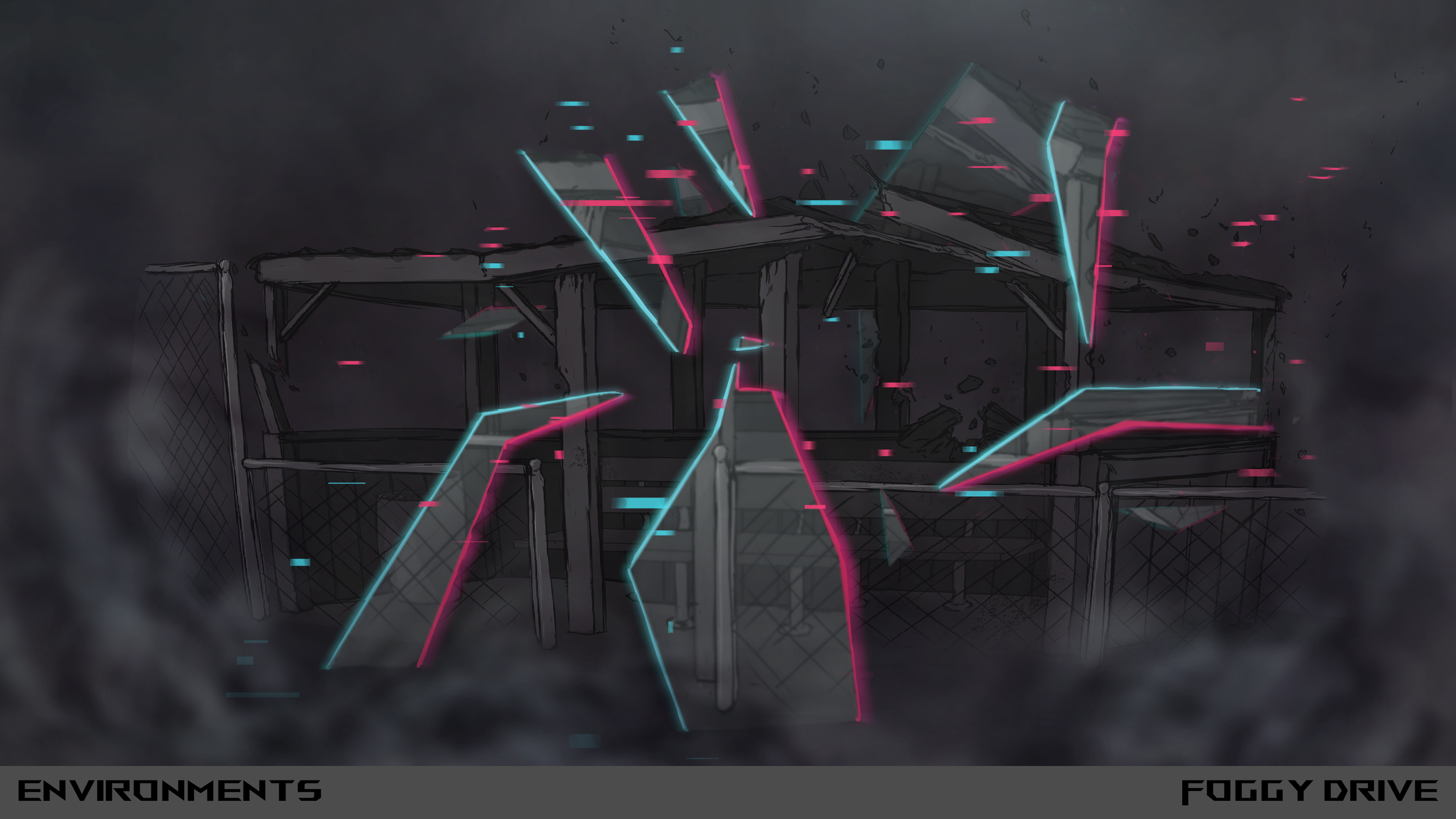
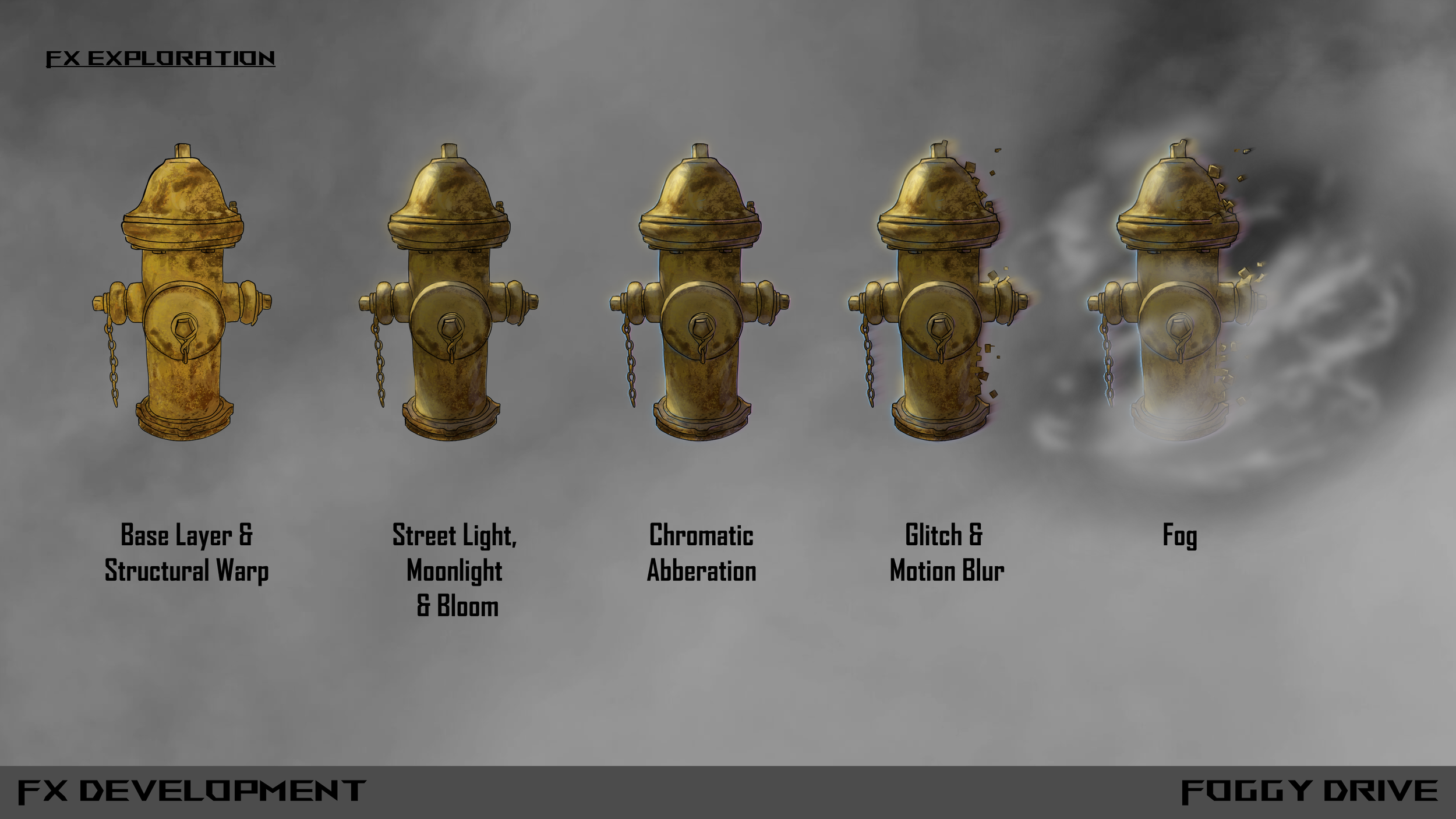
I designed Foggy Drive’s core grief mechanic: light as the lie, darkness as truth. I created the visual‑metaphor system using fracture, gravity distortion, and shifting visual weight to show memories destabilising.
I expanded this into the game’s instinct‑inversion loop where players must fail to progress, turning each vignette into a dream that traps them and a darkness that frees them.
I also developed the car as the in‑between rule‑teaching space, where the world’s logic is reinforced through monster appearances, light‑bloom transitions into dream, dark fog transitions into reality, and autopilot movement. These sequences use flickering streetlights, overbright dashboards, and shifting backseat shadows to prime the player for each vignette and make the emotional rules unavoidable.